This question pops up a lot when people start looking into modern grooming options like Full Body Laser Hair Removal, particularly in Muslim-majority communities. In my experience working with clients at clinics such as Estheticare Group in Islamabad, I’ve seen people navigate both religious concerns and aesthetic goals while considering options for laser hair removal …

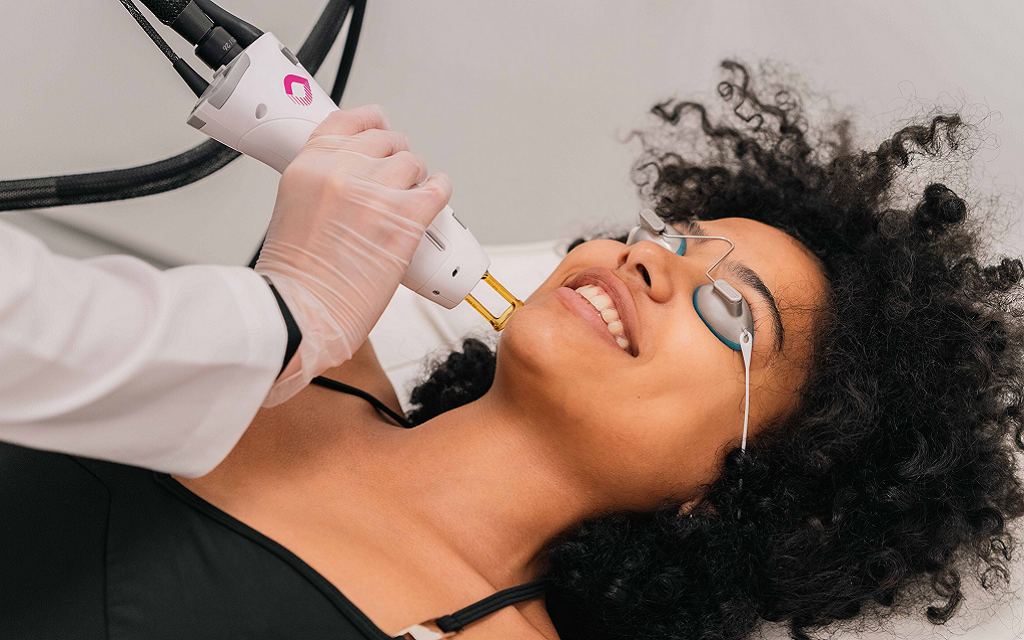
This question pops up a lot when people start looking into modern grooming options like Full Body Laser Hair Removal, particularly in Muslim-majority communities. In my experience working with clients at clinics such as Estheticare Group in Islamabad, I’ve seen people navigate both religious concerns and aesthetic goals while considering options for laser hair removal in Islamabad. I’ve also researched what scholars and jurists say about it. Below is an honest, practical breakdown you’ll find genuinely helpful.
What People Usually Mean by “Haram” Here?
When someone asks Is laser hair removal haram? they’re really exploring a few connected concerns:
- Does it violate Islamic teachings on changing Allah’s creation?
- Does it involve exposing awrah (parts that must be covered) to non‑mahrams?
- Is it permissible to remove hair permanently rather than temporarily?
- Are intentions (niyyah) and modesty taken into account?
Let’s unpack these carefully with guidance rooted in recognized Islamic scholarship.
Islam’s General View on Hair Removal:
Islam encourages cleanliness and hygiene. Removing body hair especially the hair of the armpits and pubic region is part of fitrah (natural disposition) as taught in the Sunnah. Classical methods include:
- Shaving
- Plucking
- Waxing
These are traditionally accepted because they’re simple, accessible, and don’t require exposing awrah unnecessarily.
Contemporary scholars extend this permissibility to modern methods like laser hair removal under certain conditions.
Core Principles from Islamic Rulings:
Here’s what most Islamic authorities emphasize:
1. Intention Matters (Niyyah):
Your intention for getting laser hair removal plays a big role. If it’s for hygiene, comfort, or wellbeing (like reducing irritation), it’s generally permissible. On the other hand, doing something purely for extreme vanity or to mimic non‑Islamic beauty standards may be discouraged.
2. Exposure of ‘Awrah:
The main religious concern isn’t the laser itself—it’s who sees or touches parts that should be covered.
- Women should be treated by female practitioners.
- Men should be treated by male practitioners.
If someone of the opposite gender is performing the treatment and it involves seeing the awrah, that’s not allowed unless there is a necessity (darurah).
3. No Significant Harm:
Islam prohibits actions that clearly harm the body. Laser hair removal must be safe, medically appropriate, and performed by trained professionals. Minor redness or irritation is common, but anything that risks serious damage would not align with Islamic ethics.
4. **Not a Body “Alteration” in the Prohibited Sense:
Removing unwanted hair—even permanently—is NOT considered changing Allah’s creation (taghyeer khalqillah) in the same way as cosmetic surgeries that reshape bodily structure. Most scholars treat laser hair removal like other hair removal methods that the Sharia allows.
What This Means in Practice?
If you’re considering Laser Hair Removal in Islamabad, here’s a balanced take:
- It’s not inherently haram to get laser hair removal as long as the procedure is done with proper intention and within Islamic guidelines.
- Being treated by a same‑gender professional for sensitive areas is strongly advised clinics like Estheticare Group ensure privacy and gender-sensitive care.
- Laser hair removal for hygiene (underarms, legs, etc.) is widely seen as permissible.
- Permanent removal of unwanted hair (e.g., underarms) doesn’t count as altering Allah’s creation in a forbidden way.
- Excessive vanity that leads to compulsive beautification can be religiously discouraged, even if the procedure itself is allowed.
Real‑World Insight: Practical Considerations:
When I’ve worked with people exploring laser hair removal, including clients who discussed clinics like Estheticare Group Clinic in Islamabad, a few common themes come up:
- Modesty preferences: Many women want female practitioners for sensitive areas even if the clinic has male doctors.
- Religious concerns: Some clients initially worried about permissibility but felt reassured after learning about the guidelines scholars provide.
- Comfort and hygiene: Laser can improve daily comfort, especially for those who struggled with shaving irritation or ingrown hairs.
It’s important to talk to your chosen clinic about gender of the practitioner, how sessions are conducted in private settings, and what areas you want treated, so your values and comfort are respected.
Final Thoughts:
Is it haram to do laser hair removal? The short answer: no, not if done respectfully, safely, and within Islamic guidelines.
Islam values cleanliness and dignity. Laser hair removal, when approached with the right intention and awareness, fits within those values for many people.If you’re considering Laser Hair Removal in Islamabad, clinics like Estheticare Group can provide professional, modest, and safe treatments, helping you make an informed choice.
Book an Appointment
It’s easy and free!
Tags:Laser Hair Removal