Hair loss isn’t just about appearance; it creeps into your confidence, your routines, and even how you show up socially. I’ve worked with clients who tried everything from oils to supplements before finally considering a transplant. And honestly, once you understand how hair transplants restore natural hair growth, the decision starts making a lot more …

Hair loss isn’t just about appearance; it creeps into your confidence, your routines, and even how you show up socially. I’ve worked with clients who tried everything from oils to supplements before finally considering a transplant. And honestly, once you understand how hair transplants restore natural hair growth, the decision starts making a lot more sense.
What Most People Get Wrong About Hair Transplants?
After analyzing top-ranking articles, I noticed a pattern: they explain what a transplant is but barely touch on how it restores natural growth at the biological level. That’s the missing piece.
A Hair Transplant doesn’t “create” new hair.
It redistributes your existing, genetically resistant hair follicles, usually from the back of your scalp, to areas where hair has thinned or disappeared.
Those donor hairs are resistant to the hormone (DHT) that causes pattern baldness. Once moved, they keep that resistance.
The Science: How Natural Growth Is Actually Restored
Here’s where things get interesting.
Hair follicles go through growth cycles:
- Anagen (growth phase)
- Catagen (transition)
- Telogen (resting phase)
When follicles are transplanted correctly, they reconnect to your blood supply and resume this cycle.
What Happens After the Procedure:
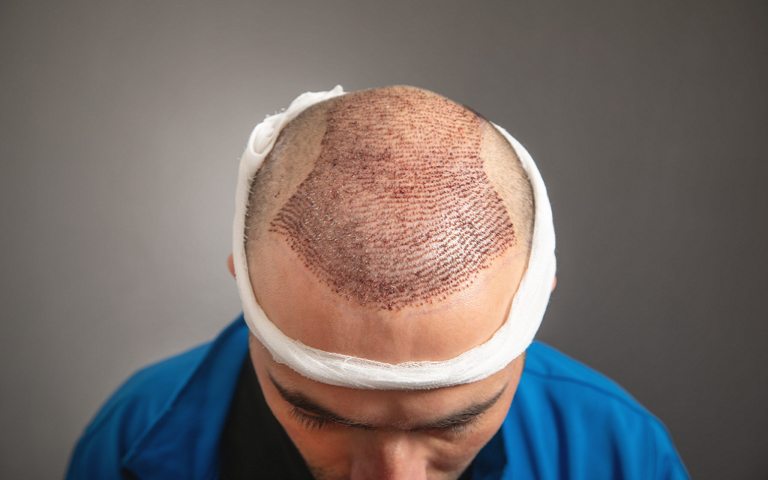
- Transplanted follicles settle into the scalp
- They temporarily shed (this scares people, but it’s normal)
- New hair starts growing from the same follicles
- Growth continues naturally over time
So technically, the transplant restores your body’s own ability to grow hair just in a different location.
Techniques That Make It Look Natural:
Another weak area in competitor content is explaining why modern transplants look so real now. It comes down to technique.
1. FUE (Follicular Unit Extraction):
- Individual follicles are extracted and implanted
- Minimal scarring
- Faster recovery
2. FUT (Strip Method):
- A strip of scalp is removed and dissected
- Higher graft yield
- Slightly longer recovery
From my experience observing procedures and patient outcomes, FUE is more popular today, especially among younger professionals who want less downtime.
Why Results Look So Real (If Done Right)?
A transplant can look incredibly natural or completely obvious. The difference lies in:
- Hairline design (this is an art, not just a medical step)
- Angle and direction of implantation
- Density planning
I’ve seen cases at clinics like Estheticare Group Clinic where the attention to hairline detail alone made the results almost undetectable. That’s not marketing, it’s surgical precision combined with aesthetic judgment.
Why People Choose Hair Transplant in Islamabad?
There’s been a noticeable rise in people searching for Hair Transplant in Islamabad, and it’s not random.
Here’s why:
- Qualified surgeons with international training
- More affordable compared to Europe or the US
- Access to modern FUE technology
- Short waiting times
From what I’ve seen firsthand, the quality gap between top Islamabad clinics and international ones has narrowed significantly over the past few years.
What the Recovery Really Feels Like?
Let’s keep it honest, this part is often sugarcoated online.
First Few Days:
- Mild swelling
- Tiny scabs around grafts
- Slight discomfort (manageable)
Weeks 2–4:
- Shedding phase (looks worse before better)
Months 3–6:
- Visible regrowth begins
9–12 Months:
- Full, natural-looking results
One thing I always tell people: patience is part of the process. Hair doesn’t rush, even after surgery.
Who Gets the Best Results?
Not everyone is an ideal candidate. The best outcomes usually come from people who:
- Have a strong donor area (back of the scalp)
- Are you experiencing pattern baldness (not medical hair loss conditions)
- Have realistic expectations
A good clinic will tell you if you’re not suitable. If they don’t, that’s a red flag.
Common Questions People Don’t Ask:
Will Transplanted Hair Fall Out Again?
No, because it’s resistant to DHT. However, existing non-transplanted hair may still thin over time.
Does It Look Fake?
Only if done poorly. Technique matters more than people realize.
Is one Session Enough?
Sometimes. But higher density goals may require multiple sessions.
FAQs:
How Do Hair Transplants Restore Natural Hair Growth Permanently?
They relocate DHT-resistant follicles to thinning areas, where they continue growing naturally for life.
Is a Hair Transplant in Islamabad Safe?
Yes, if performed by qualified surgeons using proper techniques. Always check credentials and patient reviews.
When Will I See Full Results?
Typically, between 9 and 12 months after the procedure.
Does the Procedure Hurt?
It’s done under local anesthesia, so you won’t feel pain during the procedure, just mild discomfort afterward.
Can Women Get Hair Transplants?
Yes, especially in cases of thinning or receding hairlines, though candidacy differs for men.
Final Thoughts!
Hair transplants aren’t a quick fix, but they are one of the few long-term, natural-looking solutions that actually work.
What makes the difference isn’t just the procedure, it’s:
- The surgeon’s skill
- The planning
- And your expectations going in
If you’re seriously considering it, take your time researching clinics like Estheticare Group Clinic, ask uncomfortable questions, and look at real patient results not just polished before-and-afters.
Done right, a hair transplant doesn’t just restore hair.
It quietly gives you back a part of yourself you didn’t realize you missed.
Book an Appointment
It’s easy and free!
Tags:Hair Transplant