If your skin looks dull, uneven, tanned, or affected by stubborn pigmentation, you may be wondering: Laser Whitening vs. Peels: What’s More Effective? Both treatments can improve skin brightness and pigmentation, but they work in very different ways. Choosing between them isn’t simply about selecting the treatment that sounds more advanced. Your pigmentation type, skin …

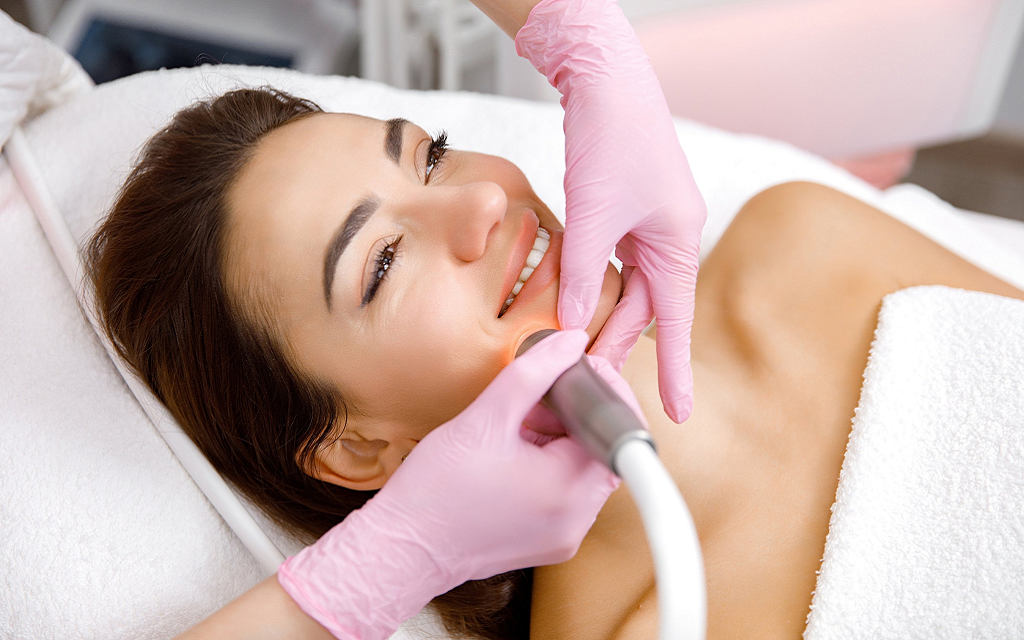
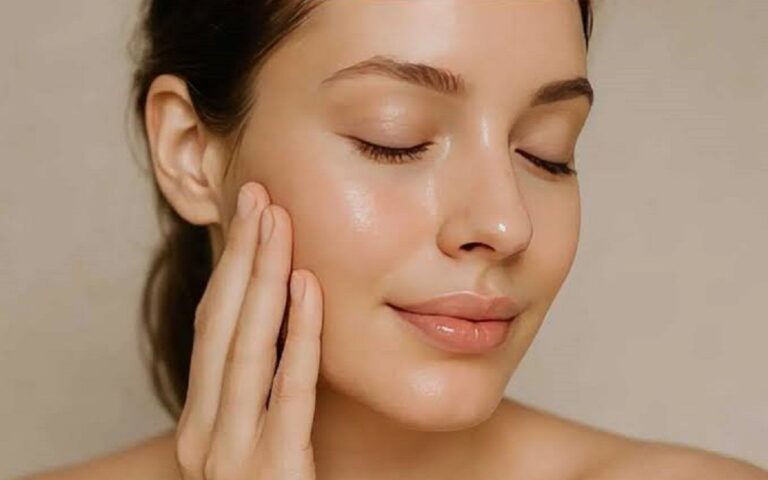
If your skin looks dull, uneven, tanned, or affected by stubborn pigmentation, you may be wondering: Laser Whitening vs. Peels: What’s More Effective? Both treatments can improve skin brightness and pigmentation, but they work in very different ways. Choosing between them isn’t simply about selecting the treatment that sounds more advanced. Your pigmentation type, skin sensitivity, treatment goals, downtime tolerance, and previous skincare history all matter.
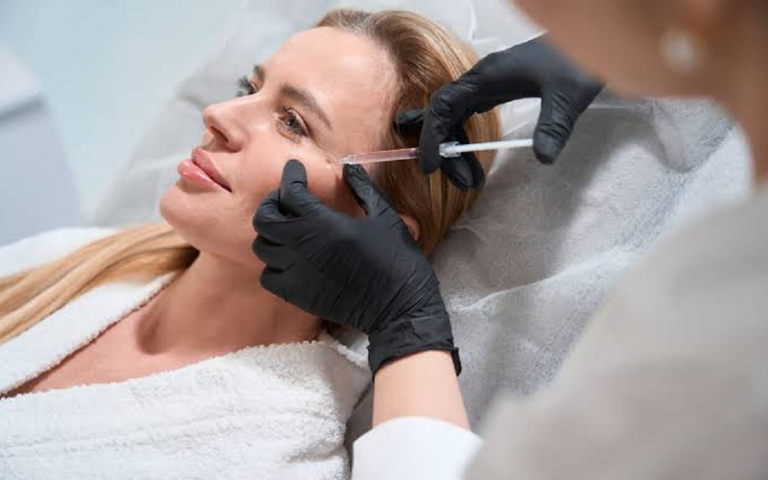
Laser treatments use controlled energy to target specific pigment or skin concerns, while chemical peels use carefully selected acids to exfoliate damaged surface layers and encourage healthier-looking skin. At Estheticare Group, treatment selection should be based on the individual concern and skin assessment rather than using the same procedure for everyone.
What Is Laser Whitening?
Laser Teeth Whitening, more accurately described as laser skin brightening or pigmentation treatment, uses controlled laser energy to target excess melanin and pigment within the skin.
Depending on the technology and indication, laser treatments may be considered for concerns such as:
- Uneven skin tone
- Sun-related pigmentation
- Certain dark spots
- Post-inflammatory pigmentation
- Dull-looking skin
- Some types of superficial pigmentation
The exact laser wavelength, energy level, number of sessions, and treatment interval should be selected according to the patient’s skin type and pigmentation pattern.
It’s important to understand that laser treatment isn’t designed to permanently change someone’s natural skin color. The practical goal is usually to reduce unwanted pigmentation and create a more even, clearer appearance.
What Are Chemical Peels?
Chemical peels use a controlled chemical solution to exfoliate selected layers of the skin. Depending on the formulation and strength, a peel may work primarily on the superficial epidermis or reach deeper layers.
Common ingredients used in professional peels include acids such as:
- Glycolic acid
- Salicylic acid
- Lactic acid
- Mandelic acid
- Other professionally selected peeling agents
Peels may be useful when dullness, surface pigmentation, uneven texture, or certain acne-related concerns are contributing to an uneven complexion.
The important point is that not every peel is appropriate for every skin type. Stronger doesn’t automatically mean better.
Laser Whitening vs. Peels: How Do They Compare?
| Factor | Laser Whitening | Chemical Peels |
| Main action | Targets selected pigment with controlled energy | Exfoliates damaged or pigmented surface layers |
| Best suited for | Certain persistent pigmentation concerns | Surface dullness, uneven tone and selected pigmentation |
| Treatment intensity | Depends on laser type and settings | Depends on peel type and concentration |
| Results | Often progressive | Usually progressive |
| Downtime | Can range from minimal to several days depending on treatment | Usually mild, but varies with peel depth |
| Sensitivity | Temporary redness, warmth, or sensitivity may occur | Stinging, redness, dryness or peeling may occur |
| Sessions | Depends on pigmentation and response | Often requires a series |
| Maintenance | Sun protection and skincare remain important | Sun protection and appropriate skincare remain important |
This comparison shows why there isn’t one universally superior option. The more appropriate treatment depends on what is causing the discoloration and how your skin responds.
Which Is More Effective for Pigmentation?
Laser treatment may be considered when pigmentation is more localized or when a dermatologist determines that a particular pigment responds appropriately to the selected laser.
Chemical peels can be useful when the primary issue involves superficial discoloration, dullness, or uneven texture.
However, pigmentation can be complicated. Melasma, for example, can behave differently from isolated sun spots or post-acne marks. An aggressive approach may sometimes irritate the skin and make pigmentation harder to manage.
That’s why an experienced practitioner may recommend a combination of treatments or begin with a gentler approach rather than immediately choosing the strongest available procedure.
What Happens During Laser Whitening?
A typical professional laser brightening appointment may involve:
1. Skin Assessment
The practitioner evaluates pigmentation, skin type, sensitivity, previous treatments, and the likely cause of discoloration.
2. Skin Preparation
The skin is cleansed, and appropriate protective measures are taken. Depending on the laser and treatment area, protective eyewear is essential.
3. Controlled Laser Treatment
The selected laser delivers controlled energy to the targeted area. Patients may experience warmth, mild tingling, or brief discomfort depending on the technology.
4. Post-Treatment Care
The skin may appear slightly red or sensitive temporarily. Your practitioner may recommend gentle skincare and strict sun protection.
What Happens During a Chemical Peel?
Chemical peeling is also a controlled clinical procedure.
The skin is cleansed before the selected solution is applied for a carefully determined period. Depending on the formulation, patients may notice mild tingling, warmth, or stinging.
After treatment, some people experience dryness, flaking, or visible peeling. Not every professional peel causes dramatic peeling, and visible shedding isn’t necessarily an indication that the treatment has worked better.
Who May Be a Good Candidate?
You may be considered for either treatment if you have:
- Uneven skin tone
- Sun-related discoloration
- Mild to moderate pigmentation concerns
- Dull-looking skin
- Certain post-acne marks
- A desire for a more even complexion
However, suitability depends on the actual diagnosis.
People with active skin infections, significant irritation, open wounds, uncontrolled inflammatory skin conditions, or certain medication histories may need to postpone treatment. A professional assessment is particularly important for people with a history of pigmentation problems after cosmetic procedures.
Which Treatment Has Less Downtime?
There is no single downtime period for either treatment.
A mild peel may produce little visible downtime, while a stronger peel can cause several days of redness or peeling. Similarly, some laser procedures have minimal downtime, whereas more intensive laser treatments can require a longer recovery period.
If you have an important event coming up, tell your practitioner before treatment. Choosing a procedure based only on how quickly it can be performed can lead to unrealistic expectations.
How Long Do Results Last?
Neither treatment should be viewed as a permanent solution to pigmentation.
Sun exposure, hormonal influences, acne, inflammation, skincare habits, and the underlying cause of pigmentation can all affect how long improvements remain visible.
Consistent sunscreen use is one of the most important parts of maintaining results. Professional treatment can address existing pigmentation, but ongoing UV exposure can encourage new discoloration.
What About Cost?
The cost of laser whitening or chemical peels in Islamabad varies according to the treatment area, technology, peel formulation, number of sessions, and individual treatment plan.
Rather than choosing a clinic based solely on the lowest price, consider:
- Who is performing the treatment?
- What technology or peel is being used?
- Is the treatment appropriate for your pigmentation?
- What aftercare is included?
- How many sessions might realistically be required?
At Estheticare Group, the appropriate treatment can be discussed after assessing the patient’s skin concerns and treatment goals rather than assuming that one procedure suits everyone.
Common Mistakes to Avoid
One of the biggest mistakes is assuming that stronger treatment equals faster or better results.
Other common mistakes include:
- Skipping sunscreen after treatment
- Using harsh exfoliants immediately after a procedure
- Combining multiple active treatments without professional guidance
- Treating every type of pigmentation the same way
- Expecting permanent whitening
- Choosing treatment based only on social-media before-and-after photographs
- Ignoring persistent irritation or unusual skin reactions
Is Laser Whitening the Same as Laser Teeth Whitening?
No. This distinction is important because searches for Teeth Whitening in Islamabad and Laser Teeth Whitening in Islamabad refer to dental procedures, not skin brightening.
Professional teeth whitening generally uses peroxide-based bleaching agents. Some in-office systems use light or laser activation, but current evidence does not show that laser or light activation consistently produces better final whitening than non-activated professional bleaching.
Dental whitening can also cause temporary tooth sensitivity or gum irritation, so it should be assessed by an appropriately qualified dental professional.
Frequently Asked Questions
Is Laser Whitening Better than a Chemical Peel?
Not necessarily. Laser treatment and chemical peels work differently, so effectiveness depends on the type and cause of pigmentation, skin type, and treatment plan.
Is Laser Skin Whitening Safe?
Professionally performed laser treatments can be appropriate for selected patients, but safety depends on the laser, settings, skin type, diagnosis, and practitioner experience. Incorrect treatment parameters can increase the risk of irritation or pigmentation changes.
How Many Sessions are Needed?
There is no fixed number. Some concerns may improve after an initial treatment, while persistent pigmentation may require multiple sessions. Your response should be assessed before deciding on additional procedures.
Do Chemical Peels Permanently Remove Pigmentation?
No. Peels can improve the appearance of certain pigmentation concerns, but pigmentation may return depending on sun exposure, hormones, inflammation, and the underlying cause.
What Should I Expect after Treatment?
Depending on the procedure, you may experience temporary redness, warmth, sensitivity, dryness, or peeling. Your practitioner should provide specific aftercare instructions.
How Can I Maintain the Results?
Use broad-spectrum sunscreen consistently, follow your recommended skincare routine, avoid unnecessary irritation, and address the underlying cause of pigmentation whenever possible.
Final Thoughts
The choice between laser whitening and chemical peels shouldn’t be based simply on which treatment sounds more powerful. Laser treatments may be useful for selected pigmentation concerns, while chemical peels can provide controlled exfoliation and brightening for appropriate candidates. In some cases, a carefully planned combination may also be considered.
The most effective approach is the one that matches your specific pigmentation, skin type, sensitivity, and expectations. A professional assessment at Estheticare Group can help determine which treatment—or combination of treatments is appropriate for your skin rather than relying on a one-size-fits-all whitening approach.
Book an Appointment
It’s easy and free!
Tags:Teeth Whitening