Most people don’t struggle with “overall weight” when they come in for body contouring discussions; they struggle with stubborn fat pockets that refuse to go away, no matter how clean their diet or how consistent their workouts are. That’s usually when the question comes up: Do I really need surgery for this? The short answer …

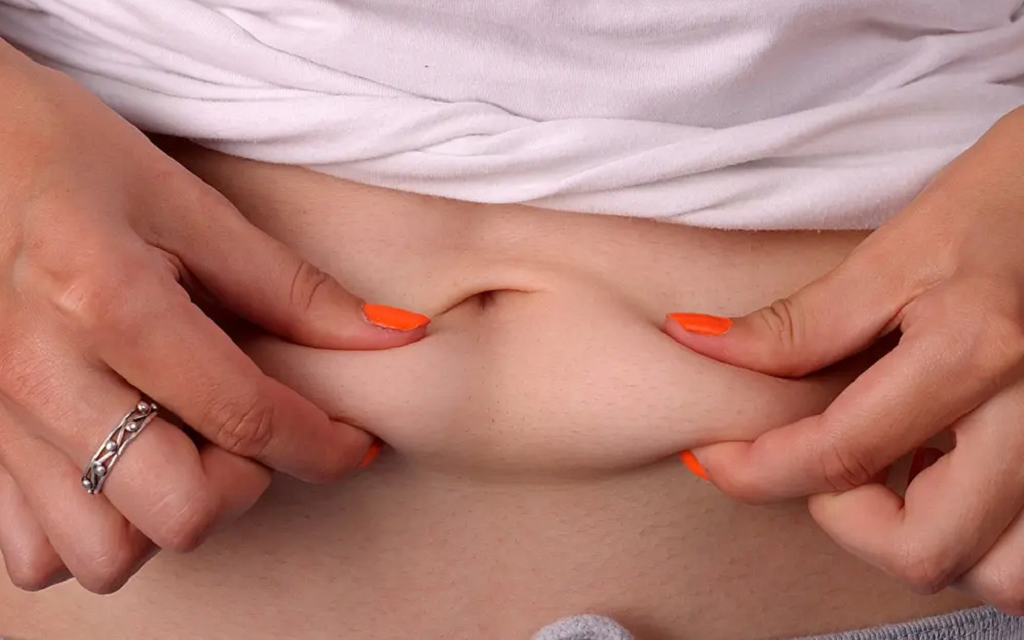
Most people don’t struggle with “overall weight” when they come in for body contouring discussions; they struggle with stubborn fat pockets that refuse to go away, no matter how clean their diet or how consistent their workouts are.
That’s usually when the question comes up: Do I really need surgery for this?
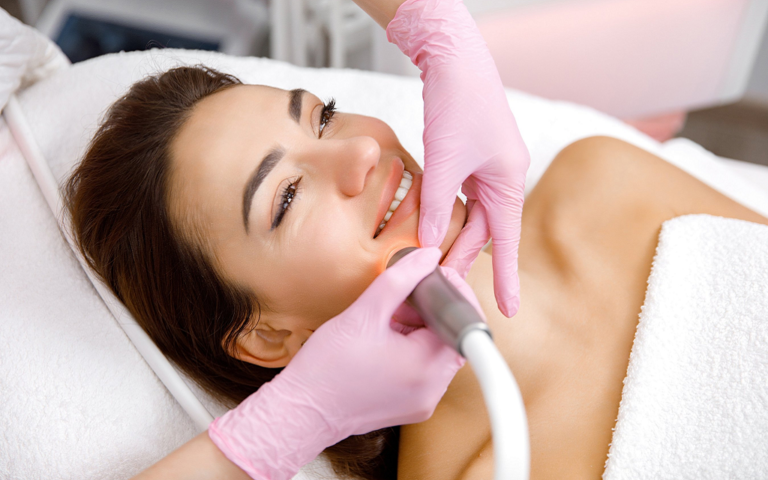
The short answer is no, always. Safe and Effective Fat Reduction Without Surgery has become a real possibility for many patients today, thanks to the evolution of modern non-invasive technologies.
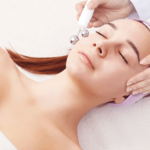
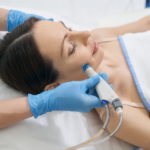
Over the past few years, non-surgical Fat Removal Treatment has evolved significantly. What used to be limited to basic creams or questionable gadgets is now a structured field of medical-grade treatments that can genuinely reshape specific areas of the body.
But here’s the important part: not every treatment works for every person. And that’s where most online articles oversimplify things.
Understanding Stubborn Fat: Why It Doesn’t Go Away Easily?
One thing I’ve seen repeatedly in practice is that patients often blame themselves for not “trying hard enough.” That’s rarely the issue.
Stubborn fat behaves differently because:
- It has lower metabolic activity
- It is genetically programmed to stay longer
- Blood flow in these areas is reduced
- Hormonal factors can influence storage
Common areas include:
- Abdomen
- Flanks (love handles)
- Thighs
- Upper arms
- Double chin
This is exactly why treatments like Safe and Effective Fat Reduction Without Surgery have become so relevant, they target fat directly rather than relying only on lifestyle changes.
Why Non-Surgical Fat Reduction Is Growing So Fast?
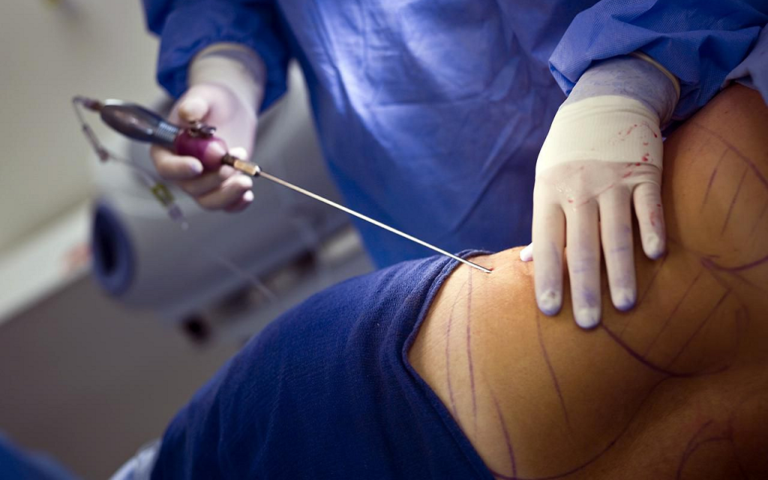
Traditional Fat Removal Surgery in Islamabad (like liposuction) is still highly effective, but it comes with downtime, anesthesia, and recovery considerations.
Non-surgical options have gained popularity because patients want:
- Minimal downtime
- Gradual, natural-looking results
- No incisions or stitches
- Lower procedural risk
- Faster return to daily routine
In my experience, many patients don’t want dramatic overnight changes. They prefer subtle refinement that doesn’t look “done.”
That shift in mindset has completely changed how clinics approach body contouring today.
At Estheticare Group Clinic, for example, treatment planning often starts with lifestyle evaluation and body composition analysis rather than immediately suggesting procedures. That alone makes a noticeable difference in outcome expectations.
Top Non-Surgical Fat Reduction Methods That Actually Work?
Let’s break down the most commonly used and clinically relevant treatments, not the gimmicks.
1. Cryolipolysis (Fat Freezing):
This treatment works by exposing fat cells to controlled cooling temperatures, causing them to break down gradually.
What patients usually like:
- No needles
- No downtime
- Gradual fat reduction over weeks
What’s often misunderstood is that results are not instant. The body slowly processes and eliminates the treated fat cells over time.
Best for:
- Abdomen
- Flanks
- Small localized fat pockets
2. Laser Fat Reduction:
Laser-based treatments use controlled heat to target fat cells and sometimes stimulate skin tightening at the same time.
This dual benefit is often overlooked in competitor content, but it’s one of the reasons patients prefer it for mild contouring.
Benefits include:
- Fat reduction + mild skin tightening
- Minimal discomfort
- Quick sessions
Best for:
- Arms
- Thighs
- Lower abdomen
3. Radiofrequency Body Contouring:
This is one of the most underrated options in non-surgical aesthetics.
Radiofrequency energy heats deeper layers of skin and fat, encouraging:
- Fat breakdown
- Collagen production
- Skin tightening
It’s especially useful for patients who are not just dealing with fat but also mild skin laxity.
Best for:
- Post-weight loss tightening
- Early aging-related body changes
- Mild abdominal laxity
4. Injection-Based Fat Reduction:
These treatments dissolve fat cells gradually using medical compounds.
What I’ve noticed clinically is that this option works best for small, stubborn areas rather than large-volume fat reduction.
Pros:
- Targeted precision
- No surgery
- Progressive improvement
Cons:
- Multiple sessions required
- Temporary swelling after treatment
Who Is a Good Candidate for Non-Surgical Fat Reduction?
This is where expectations matter most.
You’re likely a good candidate if you:
- Are you close to your ideal weight
- Have localized fat pockets
- Prefer gradual results
- Want to avoid surgery
- Can commit to multiple sessions if needed
You may not be ideal if:
- You are seeking major weight loss
- You have significant skin sagging
- You want immediate, dramatic changes
That’s where surgical options like liposuction may still be more appropriate.
What Competitor Articles Usually Miss?
Most top-ranking blogs talk about “options” but rarely explain:
1. The importance of body composition:
Fat reduction is not just about removing fat — it’s about proportion and balance.
2. Skin quality matters more than people think:
Removing fat without considering skin elasticity can lead to uneven results.
3. Maintenance is rarely discussed:
Non-surgical treatments still require lifestyle consistency to maintain results.
4. Realistic timelines:
Many patients expect results in days. In reality, most non-surgical treatments take weeks to months.
These gaps are exactly why many patients end up confused after reading generic online guides.
Recovery and Results: What to Expect?
One of the biggest advantages of non-surgical fat reduction is minimal downtime.
Typical experiences include:
- Mild redness or swelling
- Temporary sensitivity in treated areas
- Gradual visible improvement over 3–12 weeks
- Continued fat reduction even after sessions end
A common misconception is that results are immediate. In reality, your body is doing the work after the procedure not during it.
Combining Treatments for Better Results:
In real clinical settings, the best outcomes often come from combination approaches.
For example:
- Cryolipolysis + radiofrequency for fat + tightening
- Laser + injection-based treatment for targeted contouring
- Body sculpting + lifestyle adjustments
This is something I’ve seen consistently improve long-term satisfaction rates.
FAQs:
Is Non-Surgical Fat Reduction Permanent?
Yes, treated fat cells are permanently removed. However, remaining fat cells can still expand with weight gain.
How Many Sessions Will I Need?
It depends on the method and treatment area. Some people see improvement in one session, while others need multiple sessions for optimal results.
Does Fat Reduction without Surgery Hurt?
Most treatments cause only mild discomfort, such as warmth, tingling, or temporary sensitivity.
Can I Replace Liposuction with Non-Surgical Treatments?
Not always. Non-surgical methods are best for mild to moderate fat, while surgery is more effective for large-volume fat removal.
How Soon Will I See Results?
Some improvements appear within a few weeks, but full results often take 1–3 months.
Is It Safe for Everyone?
Most healthy adults are eligible, but a proper consultation is necessary to rule out medical restrictions.
Final Thoughts!
Safe and Effective Fat Reduction Without Surgery has come a long way. It’s no longer about experimental machines or vague promises; it’s about structured, medically guided treatments that target specific concerns with realistic outcomes.
Still, the key is understanding what these treatments can and can’t do.
At Estheticare Group Clinic, I’ve noticed that the best results always come when patients are given clear, honest expectations from the start, not exaggerated promises.
If someone is expecting a dramatic body transformation without lifestyle changes, they’ll likely be disappointed. But for patients looking for controlled, natural refinement, non-surgical options can be genuinely life-changing.
And that balance between expectation and reality is what ultimately defines success in modern body contouring.
Book an Appointment
It’s easy and free!