If you've ever experienced redness, itching, or a burning sensation after using a skin-whitening cream or undergoing a brightening treatment, you're probably wondering: Can Skin Whitening Cause Allergies? The short answer is yes, but not everyone will experience an allergic reaction. The risk depends on the ingredients used, your skin type, existing sensitivities, and whether …

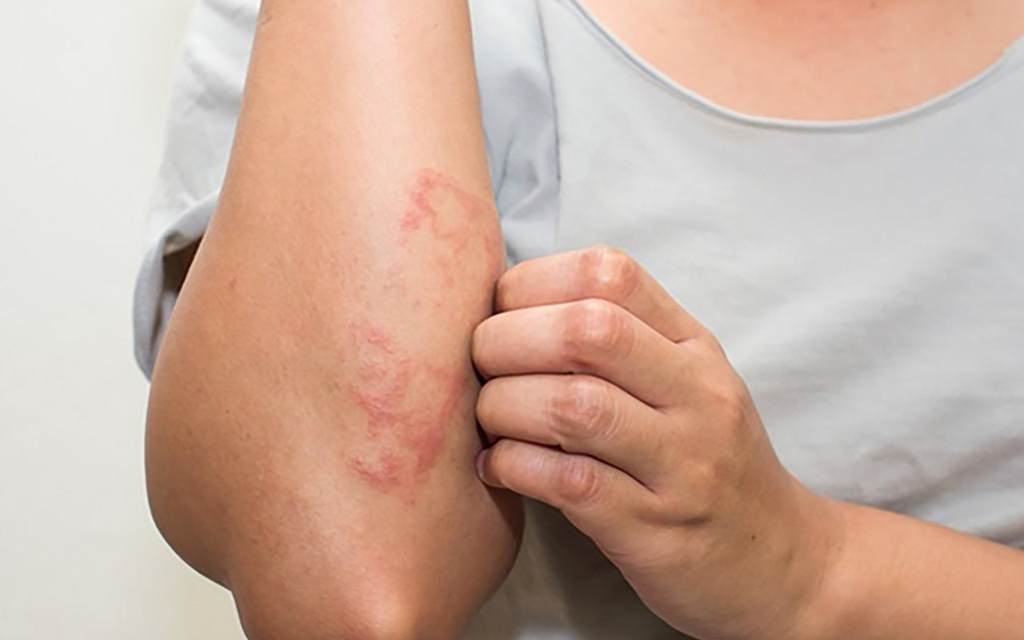
If you’ve ever experienced redness, itching, or a burning sensation after using a skin-whitening cream or undergoing a brightening treatment, you’re probably wondering: Can Skin Whitening Cause Allergies?
The short answer is yes, but not everyone will experience an allergic reaction. The risk depends on the ingredients used, your skin type, existing sensitivities, and whether the treatment is performed under professional supervision.
Many online articles simply list possible side effects without explaining why reactions happen or how to reduce the risk. This guide fills those gaps with practical, experience-based advice to help you make informed skincare decisions.
Competitor Analysis & Content Gap
After reviewing leading articles on this topic, most focus on:
- Common whitening ingredients
- Basic allergic symptoms
- Home remedies
- General safety advice
However, many fail to explain:
- The difference between irritation and a true allergy
- Why professional treatments are often safer than unregulated creams
- Which people are at higher risk
- How dermatologists evaluate reactions
- What to expect before and after professional skin whitening
This article addresses those important questions while providing balanced, medically responsible guidance.
What Is Skin Whitening?
Skin whitening (also called skin brightening or skin lightening) refers to treatments designed to reduce excess pigmentation and create a more even skin tone, not necessarily to dramatically change your natural complexion.
Depending on your concerns, treatments may include:
- Medical-grade topical creams
- Chemical peels
- Laser pigmentation treatments
- Glutathione-based therapies (where appropriate)
- Prescription pigmentation medications
Professional clinics usually customize treatment based on skin type, pigmentation, and medical history instead of using a one-size-fits-all approach.
Can Skin Whitening Cause Allergies?
Yes.
Some whitening products and procedures can trigger allergic contact dermatitis, while others may simply cause skin irritation.
The difference matters.
| Skin Irritation | Allergic Reaction |
| Burning or stinging | Itching and rash |
| Usually appears quickly | May develop hours or days later |
| Often improves after stopping product | May require medical treatment |
| Doesn’t involve the immune system | Involves the immune system |
A true allergy occurs when your immune system reacts to a specific ingredient, even if you’ve previously used it without problems.
Ingredients Most Commonly Linked to Allergic Reactions
Not every whitening ingredient is harmful, but some deserve extra caution.
Hydroquinone
Often prescribed for stubborn pigmentation.
Possible side effects include:
- Redness
- Dryness
- Contact dermatitis
- Increased sensitivity when used incorrectly
Professional supervision is important because concentration and treatment duration matter.
Fragrances and Preservatives
Many cosmetic allergies are caused by added fragrance rather than the active whitening ingredient itself.
Kojic Acid
Generally effective for pigmentation but may irritate sensitive skin if overused.
Mercury (Illegal Products)
Some counterfeit whitening creams contain mercury, which can damage the skin and affect overall health. These products should never be used. Pakistani authorities have also warned consumers about unsafe whitening creams containing mercury.
Symptoms of an Allergic Reaction
Watch for:
- Persistent itching
- Red patches
- Swelling
- Rash
- Blisters
- Peeling skin
- Burning sensation
- Hives
If swelling affects your lips, tongue, or breathing, seek emergency medical care immediately. Severe allergic reactions are rare but require urgent treatment.
How Does Professional Skin Whitening Reduce Allergy Risk?
One observation many dermatology professionals make is that most serious reactions occur after people use unregulated over-the-counter products or purchase creams online without knowing the ingredients.
Professional clinics typically reduce risk by:
- Reviewing medical history
- Assessing skin type
- Performing patch tests when appropriate
- Choosing medically approved products
- Monitoring skin throughout treatment
For people considering Skin Whitening in Islamabad, clinics such as Estheticare Group emphasize individualized treatment planning rather than recommending the same protocol for every patient. This approach helps identify potential sensitivities before treatment begins.
Who Is a Good Candidate?
Professional skin whitening may be suitable for people with:
- Sun damage
- Melasma
- Acne pigmentation
- Uneven skin tone
- Age spots
The goal is healthier, more even-looking skin, not unrealistic skin color changes.
Who Should Avoid Treatment?
You should postpone or avoid treatment if you have:
- Active eczema
- Severe rosacea
- Open wounds
- Active skin infection
- Known allergy to treatment ingredients
- Recent severe allergic reactions without medical evaluation
Pregnant or breastfeeding individuals should discuss treatment options with their healthcare provider before beginning cosmetic procedures.
What Happens During Treatment?
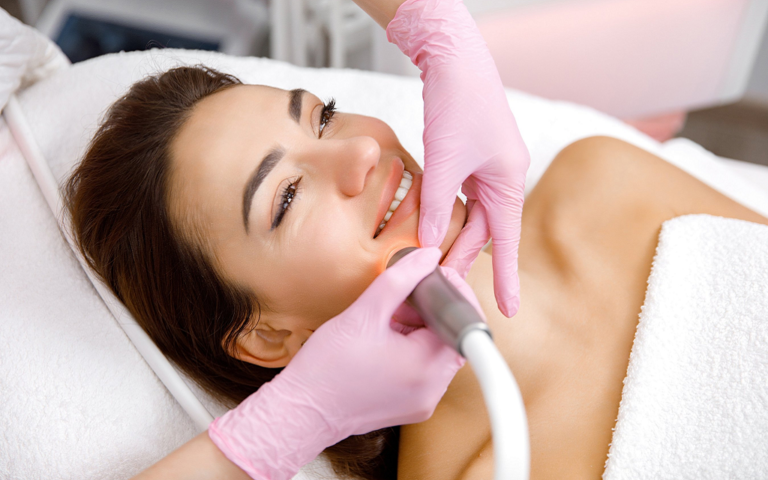
Although procedures vary, a typical appointment may include:
- Skin consultation
- Skin analysis
- Patch testing (if needed)
- Customized treatment selection
- Application of treatment
- Post-treatment skincare guidance
Professional evaluation helps reduce unnecessary risks while improving treatment outcomes.
Aftercare Tips
Proper aftercare can minimize irritation.
Follow these recommendations:
- Wear sunscreen daily.
- Avoid harsh exfoliants.
- Don’t pick peeling skin.
- Use gentle cleansers.
- Apply moisturizer regularly.
- Follow your dermatologist’s instructions carefully.
Ignoring aftercare often causes more problems than the treatment itself.
Common Mistakes People Make
Avoid these frequent errors:
- Buying whitening creams from unknown online sellers
- Using multiple active ingredients together
- Skipping sunscreen
- Expecting instant results
- Continuing treatment despite worsening redness
- Self-medicating allergic reactions
Slow, medically supervised improvement is generally safer than chasing quick results.
Expected Results
Professional skin whitening aims to improve:
- Skin brightness
- Pigmentation
- Overall skin tone
- Texture
- Radiance
Results vary depending on:
- Skin type
- Underlying pigmentation
- Treatment method
- Sun protection
- Consistency with aftercare
No ethical provider should guarantee identical results for every patient.
Expert Recommendations
From a clinical perspective, the safest whitening treatments begin with an accurate diagnosis. What appears to be “dull skin” may actually be melasma, post-inflammatory pigmentation, hormonal changes, or sun damage—each requiring a different approach.
Before starting treatment:
- Choose a qualified dermatologist or aesthetic physician.
- Ask about active ingredients.
- Discuss allergy history.
- Request a treatment plan tailored to your skin.
- Avoid products that promise dramatic whitening in a few days.
When patients receive realistic expectations and appropriate follow-up, they’re generally more satisfied with both the safety and the outcome of treatment.
Frequently Asked Questions
How Does Skin Whitening Work?
Most treatments reduce excess melanin production or accelerate the removal of pigmented skin cells, leading to a more even complexion.
Is Skin Whitening Safe?
Professional treatments can be safe when performed by qualified practitioners after assessing your skin and medical history. Risks increase with unregulated or counterfeit products.
Can Allergies Develop after Using a Product for Months?
Yes. Allergic contact dermatitis can develop even after repeated use of a product that previously caused no problems.
How Long Do Results Last?
Results depend on the treatment, sun exposure, skincare routine, and the underlying cause of pigmentation. Maintenance treatments may be recommended for some conditions.
How Much Does Skin Whitening Cost in Islamabad?
Costs vary depending on the clinic, treatment type, number of sessions, and your skin concerns. A consultation is usually needed to provide an accurate estimate.
Is Skin Whitening Worth It?
For people treating pigmentation, acne marks, or uneven skin tone, professionally supervised treatment can be worthwhile. The best results come from realistic expectations and personalized care.
What Should I Expect Before and After Treatment?
Before treatment, expect a consultation and skin assessment. After treatment, mild redness or temporary sensitivity may occur depending on the procedure. Following aftercare instructions is essential for optimal recovery.
Conclusion
So, Can Skin Whitening Cause Allergies? Yes, but the likelihood depends on the ingredients used, your skin’s sensitivity, and whether the treatment is professionally supervised.
The safest approach is to avoid unverified whitening products, understand what ingredients are being applied to your skin, and seek advice from experienced professionals before starting treatment. For anyone exploring Skin Whitening in Islamabad, consulting an established provider such as Estheticare Group can help ensure that treatment decisions are based on your individual skin condition rather than marketing claims. Making informed choices is the best way to protect your skin while pursuing healthier, more even-toned results.
Book an Appointment
It’s easy and free!
Tags:Skin Whitening