Noticing more hair on your pillow, a widening part, or a receding hairline can be frustrating, especially when shampoos and supplements don’t seem to make much difference. If you’re looking for a non-surgical approach, you’ve probably come across platelet-rich plasma, or PRP. But does PRP actually help with hair loss, and what can you realistically …

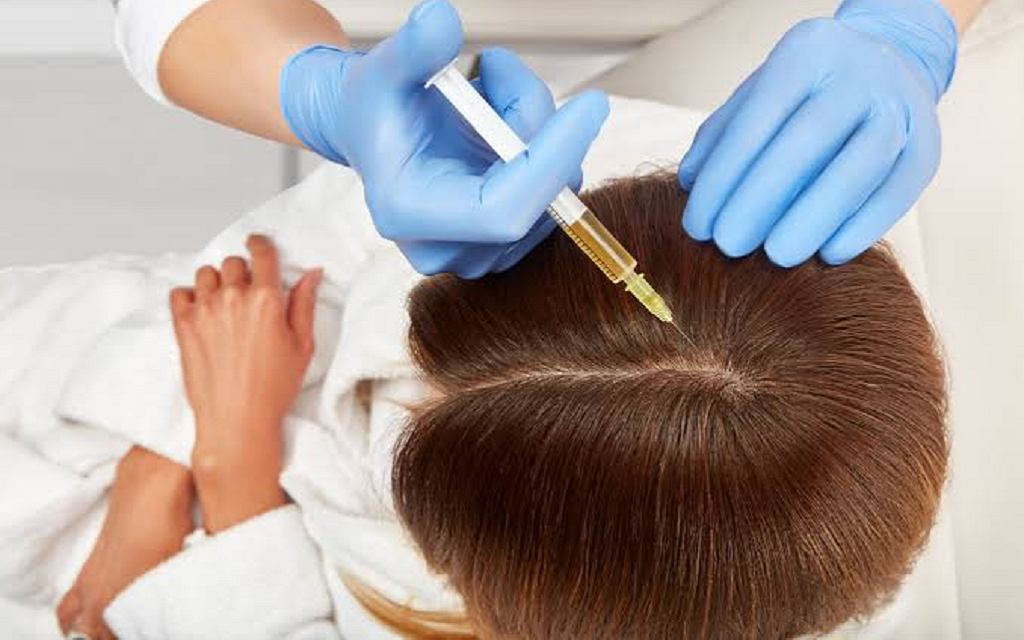
Noticing more hair on your pillow, a widening part, or a receding hairline can be frustrating, especially when shampoos and supplements don’t seem to make much difference. If you’re looking for a non-surgical approach, you’ve probably come across platelet-rich plasma, or PRP.
But does PRP actually help with hair loss, and what can you realistically expect from it?
The Benefits of PRP for Hair Restoration are most relevant to people with thinning hair and certain forms of pattern hair loss where follicles are still active. Research suggests PRP can improve hair density and thickness, although results vary and it isn’t a guaranteed cure for baldness.
For people considering PRP in Islamabad, understanding the treatment’s strengths and limitations is more useful than simply comparing promotional claims.
What Is PRP Hair Treatment?
Platelet-rich plasma is prepared from a small sample of your own blood. The blood is processed to concentrate platelets and growth-factor-rich plasma, which is then injected into selected areas of the scalp.
The idea is relatively straightforward: platelets contain biological signals involved in tissue repair and regeneration. When PRP is placed around thinning hair follicles, these signals may support follicular activity and improve the local scalp environment.
The American Academy of Dermatology notes that studies suggest PRP can be a safe and effective hair-loss treatment, although treatment protocols and individual responses vary.
How Does PRP for Hair Restoration Work?
A typical session involves several stages:
1. Hair and scalp assessment
A proper consultation should come first. Your clinician should determine why you’re losing hair rather than assuming every type of hair loss is suitable for PRP.
2. Blood collection
A small amount of blood is drawn, generally from the arm.
3. PRP preparation
The sample is processed using a centrifuge or similar system to separate and concentrate the platelet-rich component.
4. Scalp injections
The prepared PRP is carefully injected into areas of thinning. A topical anesthetic may be used to make the procedure more comfortable.
5. Recovery and follow-up
PRP usually involves little downtime. Temporary tenderness, redness, swelling, or mild discomfort can occur around the injection sites.
The exact preparation method, platelet concentration, injection technique, treatment interval, and number of sessions can differ between providers. That lack of standardization is one reason results reported in studies aren’t identical.
7 Potential Benefits of PRP for Hair Restoration
1. May improve hair density
One of the most important potential benefits is increased hair density. Meta-analyses of clinical trials have found improvements in hair density following PRP treatment for androgenetic alopecia compared with control treatments.
2. May make existing hair appear thicker
PRP isn’t simply about producing new hairs. For someone with miniaturized follicles, improving the quality and thickness of existing hair can make the scalp look fuller.
3. It’s minimally invasive
Unlike a hair transplant, PRP doesn’t involve removing and transplanting follicles. There are no surgical incisions or transplant scars.
4. It uses your own blood
Because the platelet-rich material comes from your own blood, PRP avoids introducing a donor-derived biological material. However, using your own blood doesn’t mean the treatment is risk-free; sterile technique and appropriate medical screening still matter.
5. It can be useful before or alongside other treatments
PRP may be considered as part of a broader hair-loss strategy. Depending on the diagnosis, a dermatologist may also discuss medications, lifestyle factors, treatment of nutritional deficiencies, or eventually hair transplantation.
6. There’s generally little downtime
Many patients can return to normal activities relatively quickly. Your provider may advise you to avoid strenuous exercise, excessive heat, or certain scalp products for a short period after treatment.
7. It may be most useful when started early
This is an important practical point. PRP generally makes more sense when there are still viable follicles that can potentially respond.
A completely smooth, long-standing bald area is very different from an area where hair has recently become thinner. PRP shouldn’t be marketed as a way to recreate follicles that no longer exist.
Who Is a Good Candidate for PRP?
PRP may be worth discussing if you have:
- Early or moderate pattern hair thinning
- Gradually decreasing hair density
- Miniaturized but still-present hair follicles
- Certain forms of androgenetic alopecia
- Hair thinning where a dermatologist believes follicles remain viable
- A preference for a minimally invasive treatment
A consultation is particularly important if hair loss is sudden, patchy, accompanied by scalp inflammation, or associated with other symptoms. The underlying cause needs to be identified first.
Who Should Be Cautious or Avoid PRP?
PRP isn’t appropriate for everyone.
A medical professional should assess patients with conditions such as active scalp infections, significant blood or platelet disorders, severe anemia, bleeding problems, or medications that may affect clotting or bleeding.
Pregnancy, chronic illnesses, recent medical procedures, and current medications should also be disclosed before treatment so the clinician can determine whether PRP is appropriate.
The key principle is simple: diagnose the cause of hair loss before treating it.
What Results Can You Expect?
PRP results are gradual, not instant.
Some patients notice reduced shedding or changes in hair texture first, while improvements in visible density can take several months. Clinical studies have reported improvements in hair density at follow-up points such as three and six months, but the magnitude of response varies.
Most treatment plans involve a series of sessions rather than a single injection. Maintenance may also be recommended because PRP doesn’t permanently stop the biological process behind genetic hair loss.
This is one area where realistic expectations matter. PRP can support hair growth; it cannot guarantee a full head of hair.
PRP Hair Treatment in Islamabad: What Should You Check?
If you’re researching PRP for Hair in Islamabad, don’t choose a clinic solely because it advertises the lowest price.
Ask:
- Who performs the treatment?
- Is a dermatologist or appropriately qualified medical professional assessing you?
- How is your PRP prepared?
- Is your hair-loss diagnosis documented?
- How many sessions are being recommended, and why?
- What results are realistic for your stage of hair loss?
- What happens if PRP doesn’t produce enough improvement?
- Are before-and-after photographs taken under consistent conditions?
For example, Estheticare Group describes consultation, blood collection, PRP preparation, scalp injections, and individualized treatment planning as part of its PRP hair treatment approach in Islamabad.
That kind of structured assessment is more reassuring than a clinic simply promising “permanent hair regrowth.”
PRP Cost in Islamabad
The cost of PRP in Islamabad varies depending on the clinic, practitioner, preparation method, number of sessions, and whether PRP is combined with another treatment.
Pricing may also differ based on the treatment area and individual patient requirements. Patients should confirm the current fee and exactly what the quoted price includes before booking.
A cheaper session isn’t necessarily better value if the diagnosis, preparation, or follow-up is inadequate.
Common Mistakes People Make With PRP
Starting without a diagnosis: Hair loss can have many causes, and PRP isn’t a universal treatment.
Expecting immediate regrowth: Hair follicles operate on a biological cycle, so visible changes take time.
Judging results after one session: A treatment course usually requires multiple sessions and appropriate follow-up.
Ignoring maintenance: Pattern hair loss is an ongoing condition. PRP doesn’t necessarily remove the underlying genetic tendency.
Comparing clinics only by price: Technique, medical assessment, sterile practice, and follow-up matter.
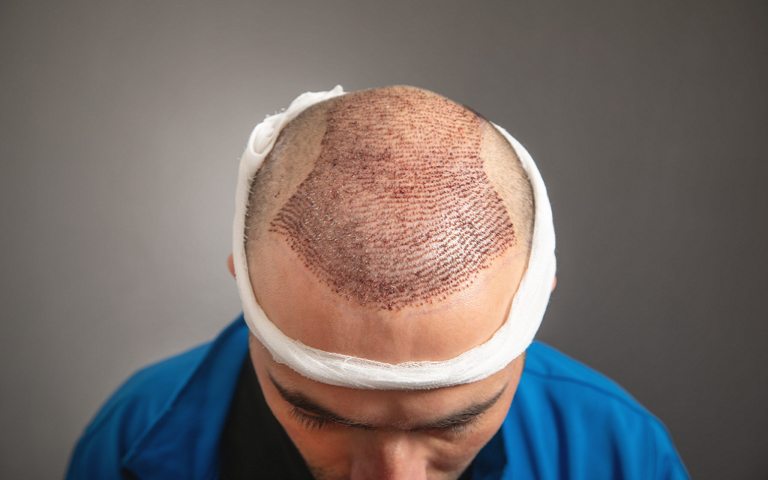
PRP vs. Hair Transplant: Which Is Better?
| PRP | Hair Transplant |
| Minimally invasive injections | Surgical follicle transplantation |
| Uses your own blood-derived PRP | Uses hair follicles from a donor area |
| Best suited to thinning with viable follicles | Can restore hair to suitable areas of established hair loss |
| Usually requires repeated treatments | Typically a longer-term surgical solution |
| Little downtime | Requires surgical recovery |
| Doesn’t create a new donor supply | Relocates existing follicles |
These treatments aren’t always competitors. In some cases, PRP may be considered as a supportive treatment alongside a broader hair-restoration plan.
FAQ: PRP for Hair Restoration
How Does PRP Work for Hair Loss?
PRP concentrates platelets and growth-factor-rich plasma from your own blood and injects it into areas of hair thinning. These biological signals may support follicular activity and hair density.
Is PRP Hair Treatment Safe?
PRP is generally considered a relatively safe, minimally invasive procedure when appropriately performed. Temporary pain, redness, swelling, or tenderness can occur. A medical assessment is important before treatment.
How Long Do PRP Hair Results Last?
Results aren’t necessarily permanent. Because underlying hair-loss conditions can continue to progress, some patients require maintenance treatments or additional therapies.
Is PRP Worth It for Hair Loss?
It can be worthwhile for carefully selected patients, particularly those with early-to-moderate thinning and viable follicles. Whether it’s worth the cost depends on the cause and severity of your hair loss, your expectations, and how you respond to treatment.
How Many PRP Sessions are Needed?
There isn’t one universal schedule. Treatment plans vary according to diagnosis, severity, PRP preparation, and clinician preference. A personalized plan is preferable to a fixed package sold to every patient.
What Should I Expect Before and After PRP?
Before treatment, expect a scalp assessment and medical history review. After treatment, mild tenderness or redness may occur temporarily. Hair improvement is gradual, so consistent photographs and follow-up assessments are more useful than judging changes day by day.
Final Takeaway
The biggest Benefits of PRP for Hair Restoration are its minimally invasive nature, use of your own blood-derived platelets, potential to improve hair density and thickness, and relatively short recovery period. Research is encouraging, particularly for androgenetic alopecia, but PRP isn’t a miracle cure, and outcomes aren’t identical for everyone.
If you’re considering PRP in Islamabad, start with the diagnosis rather than the procedure. A qualified clinician should determine why your hair is thinning, whether your follicles are likely to respond, and whether PRP makes sense on its own or as part of a wider hair-restoration plan.
For patients considering treatment at Estheticare Group, a professional consultation can help establish realistic expectations and determine whether PRP is appropriate for their particular pattern of hair loss.
Book an Appointment
It’s easy and free!
Tags:PRP