Have you noticed sagging skin around your cheeks, jawline, or neck and want a firmer appearance without surgery? Lift and Tighten Skin with HIFU Therapy is a popular non-surgical option for people looking to improve mild to moderate skin laxity and achieve a more defined, youthful-looking appearance. HIFU, or High-Intensity Focused Ultrasound, uses focused ultrasound …

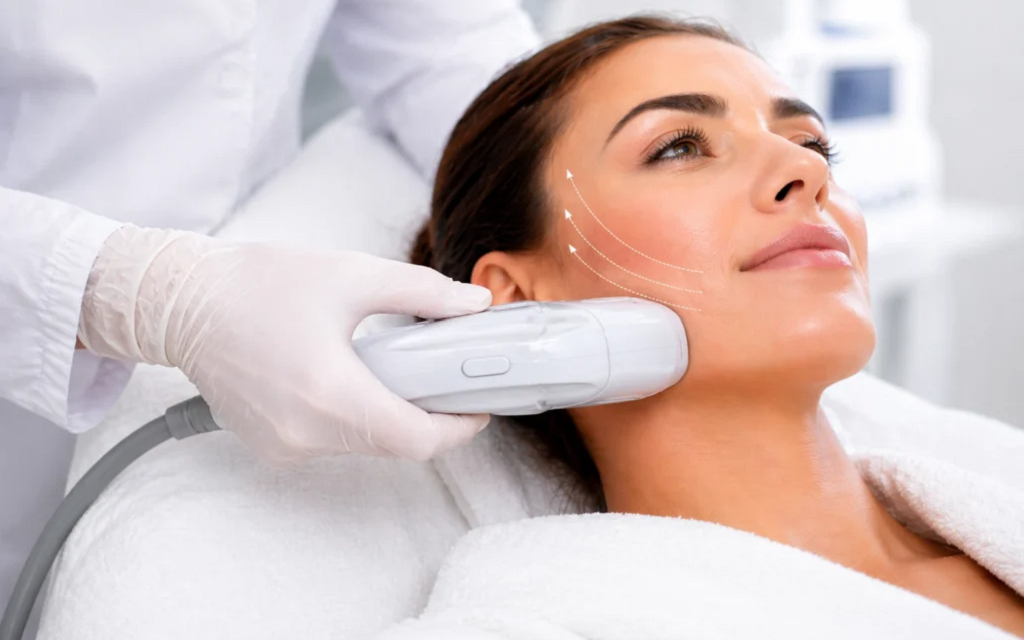
Have you noticed sagging skin around your cheeks, jawline, or neck and want a firmer appearance without surgery? Lift and Tighten Skin with HIFU Therapy is a popular non-surgical option for people looking to improve mild to moderate skin laxity and achieve a more defined, youthful-looking appearance.
HIFU, or High-Intensity Focused Ultrasound, uses focused ultrasound energy to stimulate collagen remodeling beneath the skin. Unlike a surgical facelift, it doesn’t involve incisions or a lengthy recovery period. However, it’s important to understand what HIFU Treatment can and can’t do before deciding whether it’s right for you.
What Is HIFU Therapy?
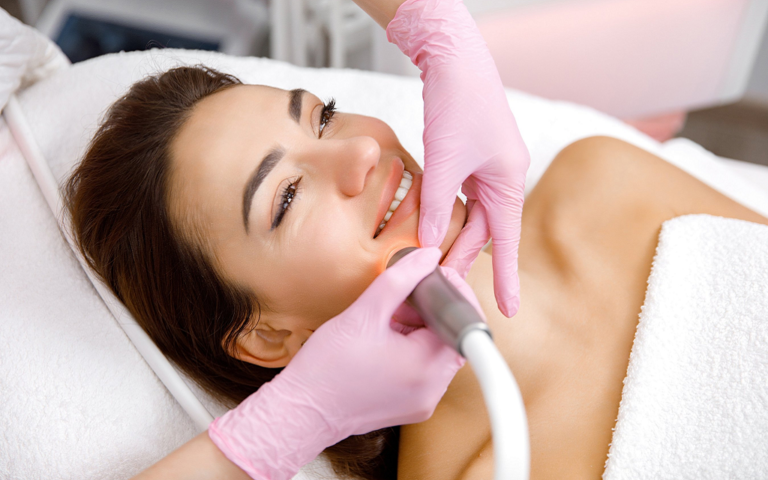
HIFU is a non-invasive skin-tightening treatment that delivers focused ultrasound energy into selected layers beneath the skin. The controlled energy creates small areas of thermal stimulation, triggering the body’s natural healing response and encouraging collagen production.
As new collagen develops and existing collagen remodels, the treated skin may gradually appear firmer and more lifted.
HIFU is commonly used on:
- Jawline and lower face
- Cheeks
- Under the chin
- Neck
- Brow area
- Selected areas of the body with mild skin laxity
The treatment is different from a surgical facelift. HIFU provides gradual and generally subtle tightening, while surgery can remove excess skin and create a more significant structural lift.
How Does HIFU Work?
The treatment uses ultrasound energy that is precisely focused beneath the skin’s surface. Rather than damaging the outer layer of skin, the energy targets specific tissue depths.
This controlled thermal effect stimulates collagen remodeling. Because collagen production takes time, HIFU results usually develop gradually rather than appearing immediately.
A typical treatment involves:
- Consultation: Your skin condition, degree of laxity, facial structure, and treatment goals are assessed.
- Treatment planning: The practitioner determines which areas and tissue depths should be targeted.
- Skin preparation: The treatment area is cleansed and prepared.
- Ultrasound application: The HIFU device delivers focused energy to the selected areas.
- Aftercare guidance: Your practitioner explains what to expect and how to care for your skin afterward.
Treatment time depends on the area being treated and the treatment plan.
Benefits of HIFU Skin Tightening
One of the biggest advantages of HIFU is that it offers an alternative to surgery for people who aren’t ready for a facelift.
Potential benefits include:
- Firmer-looking skin
- Improved jawline definition
- Reduction in the appearance of mild jowling
- Tighter-looking skin around the neck
- Improved skin elasticity
- Gradual collagen stimulation
- Little to no conventional downtime
- Natural-looking improvement when appropriately performed
HIFU may be particularly appealing to people who want an improvement that develops progressively rather than producing a dramatic overnight change.
Who Is a Good Candidate for HIFU?
HIFU may be suitable for adults experiencing mild to moderate skin laxity who want a non-surgical treatment.
You may be a good candidate if you:
- Have early signs of facial or neck laxity
- Notice reduced jawline definition
- Have mild jowling or loose skin under the chin
- Want to avoid surgery
- Prefer a treatment with minimal downtime
- Have realistic expectations about the results
At Estheticare Group, a professional assessment can help determine whether HIFU is appropriate for your skin and whether another treatment may better address your concerns.
Who Should Avoid HIFU?
HIFU isn’t suitable for everyone. A professional consultation is important before treatment, particularly if you have an active skin infection or inflammation in the treatment area, certain medical conditions, or other factors that could affect treatment safety.
Possible side effects can include temporary redness, swelling, tenderness, tingling, or sensitivity. More serious complications are uncommon but can occur, particularly if treatment is performed incorrectly.
This is why the experience of the practitioner and the suitability of the device and treatment settings are important considerations.
When Will You See HIFU Results?
HIFU results are generally gradual.
Some people notice a degree of tightening relatively soon after treatment, but the more significant changes develop as collagen remodeling takes place. Results can continue improving over the following months.
Your outcome may depend on factors such as:
- Age
- Skin quality
- Degree of laxity
- Treatment area
- HIFU device and settings
- Individual collagen response
- Lifestyle and skincare habits
HIFU doesn’t stop the natural aging process, so results aren’t permanent. Some patients may benefit from maintenance treatments, but the appropriate timing should be determined individually.
HIFU Therapy in Islamabad: What Does It Cost?
The cost of HIFU Therapy in Islamabad varies depending on the treatment area, number of lines, technology used, practitioner expertise, and overall treatment plan.
For example, Estheticare Group publishes different prices for areas such as the jawline, half face, face and neck, abdomen, arms, and legs. The exact cost can vary after an individual assessment.
When comparing prices, don’t focus only on the cheapest option. Ask:
- Which HIFU device is being used?
- Who will perform the treatment?
- How many treatment lines are included?
- Which areas are covered?
- Is consultation included?
- What follow-up care is provided?
A lower price isn’t necessarily better value if the treatment isn’t appropriately planned or performed.
HIFU vs. Surgical Facelift
HIFU and surgical facelifts serve different purposes.
HIFU is non-invasive, involves little conventional downtime, and is generally better suited to mild or moderate laxity. A surgical facelift is more invasive but can address significant sagging and excess skin more effectively.
If you have substantial loose skin, a consultation with a qualified professional can help determine whether HIFU or a surgical approach is more appropriate.
Common Mistakes to Avoid
One of the most common misconceptions is expecting HIFU to produce the same results as a facelift.
Other mistakes include:
- Choosing a clinic based only on price
- Expecting immediate final results
- Assuming higher energy automatically means better results
- Skipping the consultation
- Assuming every HIFU device is identical
- Treating significant excess skin with a treatment designed mainly for tightening
- Failing to discuss previous cosmetic procedures with the practitioner
Good HIFU treatment depends on careful assessment and individualized treatment planning.
How to Get Better HIFU Results?
Before treatment, discuss your expectations honestly with your practitioner. Ask what level of improvement is realistic for your particular degree of laxity.
After treatment, follow the clinic’s aftercare recommendations and maintain a consistent skincare routine. Protecting your skin from excessive sun exposure, staying hydrated, and following healthy lifestyle habits can also support overall skin health.
Most importantly, give the treatment time to work. Collagen remodeling doesn’t happen overnight.
Frequently Asked Questions
Is HIFU Safe?
HIFU has a generally favorable safety profile when an appropriate device is used correctly and the treatment is performed by a properly trained professional. Temporary tenderness, redness, swelling, or tingling can occur.
Is HIFU Painful?
Comfort levels vary. You may feel warmth, pressure, or brief prickling sensations as ultrasound energy is delivered. Your experience depends on the treatment area, device, settings, and individual sensitivity.
How Long Do HIFU Results Last?
Results vary from person to person. Improvements can last for many months, but aging continues naturally. Maintenance treatment may be considered depending on your skin condition and treatment goals.
How Long Does HIFU Take to Show Results?
HIFU results develop gradually. While some tightening may be noticed earlier, collagen remodeling typically continues for several months.
Is HIFU Worth It?
HIFU can be worth considering if you have mild to moderate skin laxity and want a non-surgical option. The treatment is less likely to meet expectations if you’re looking for the substantial lift or removal of excess skin associated with surgery.
What Should I Expect after HIFU Treatment?
You may experience temporary tenderness, redness, swelling, or tingling. Most people don’t require the lengthy recovery associated with surgery, but you should follow the specific aftercare instructions provided by your practitioner.
Final Thoughts
HIFU offers a practical non-surgical approach for people who want to Lift and Tighten Skin with HIFU Therapy without undergoing a facelift. Its effects are gradual, and the best candidates are generally those with mild to moderate laxity and realistic expectations.
If you’re considering HIFU Treatment in Islamabad, start with a professional consultation at Estheticare Group rather than choosing a treatment based solely on price or online claims. A qualified practitioner can assess your skin, explain the likely benefits and limitations, and help you decide whether HIFU is the right option for your goals.
Book an Appointment
It’s easy and free!
Tags:hifu treatment