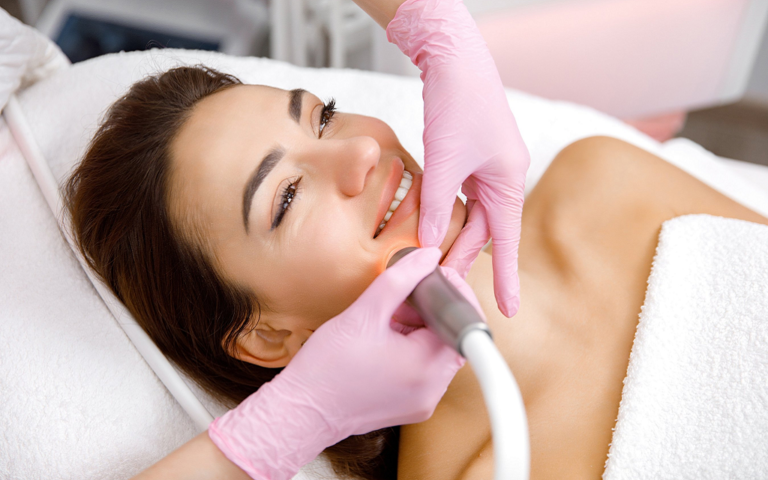
Dark spots, uneven skin tone, and patches of pigmentation can be frustrating, especially when they keep coming back after acne, sun exposure, or skin irritation. For people with darker or melanin-rich skin, treating pigmentation requires extra care because some aggressive treatments can sometimes cause more pigmentation. If you’re looking for Hyperpigmentation Treatment for Black Skin …

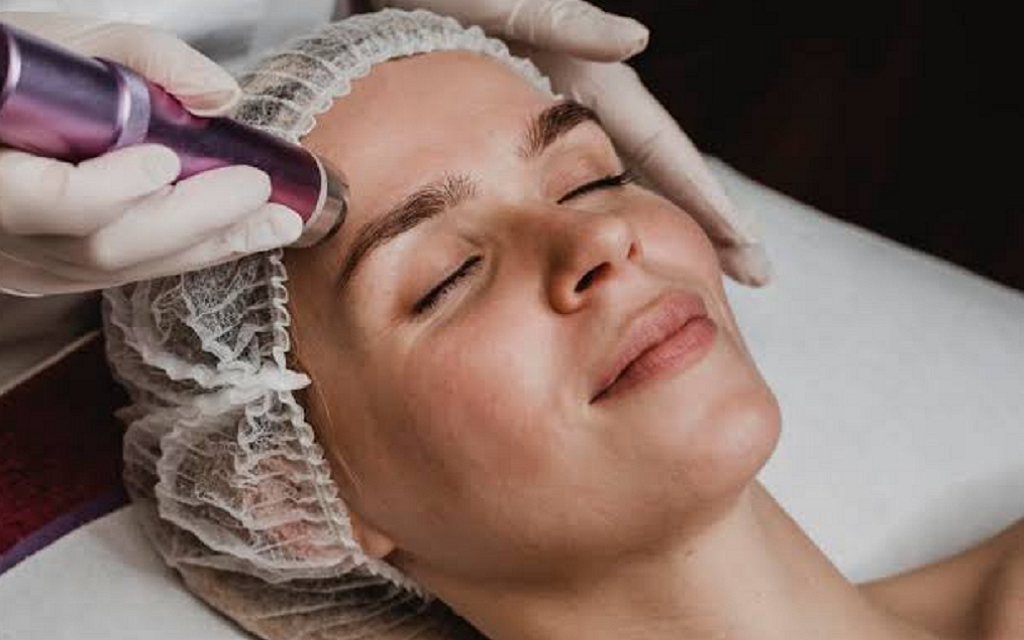
Dark spots, uneven skin tone, and patches of pigmentation can be frustrating, especially when they keep coming back after acne, sun exposure, or skin irritation. For people with darker or melanin-rich skin, treating pigmentation requires extra care because some aggressive treatments can sometimes cause more pigmentation.
If you’re looking for Hyperpigmentation Treatment for Black Skin in Islamabad, it’s important to understand your skin type, the cause of pigmentation, and which treatment is suitable for you before starting any procedure.
What Is Hyperpigmentation?
Hyperpigmentation is a common skin concern where certain areas of the skin become darker than the surrounding skin. This happens when the skin produces or stores excess melanin.
It can appear as:
- Dark spots left after acne
- Brown or dark patches on the cheeks
- Uneven pigmentation around the mouth
- Sun spots
- Melasma
- Dark marks after cuts, burns, or skin irritation
In darker skin tones, pigmentation can sometimes be more noticeable and may take longer to fade.
Why Does Black Skin Need Special Care?
Melanin gives the skin its natural colour and provides some protection from UV radiation. However, skin with higher melanin content can also be more likely to develop post-inflammatory hyperpigmentation after irritation or injury.
This is particularly important when considering chemical peels, lasers, or other procedures.
A treatment that works well for one skin type may not be appropriate at the same intensity for another. For this reason, an experienced professional should assess your skin before recommending a procedure.
The goal shouldn’t be to use the strongest treatment possible. The goal is to improve pigmentation while keeping the skin healthy and minimizing the risk of further discoloration.
What Causes Hyperpigmentation?
There are several possible causes of pigmentation.
Acne and Acne Marks
Acne is one of the most common causes of dark marks. Even after a pimple disappears, it can leave pigmentation behind for weeks or months.
Sun Exposure
Regular exposure to sunlight can stimulate melanin production and make existing pigmentation darker. This is one reason sun protection is essential during pigmentation treatment.
Hormonal Changes
Melasma can be associated with hormonal changes, including pregnancy and certain hormonal medications. It often appears as symmetrical brown or greyish patches on the face.
Skin Irritation
Scrubbing, harsh skincare products, burns, eczema, or aggressive treatments can cause inflammation and lead to post-inflammatory hyperpigmentation.
Hyperpigmentation Treatment in Islamabad
The right treatment depends on the type and cause of pigmentation. A professional may recommend one treatment or combine several approaches.
Topical Skincare
For some patients, topical treatment is the first step.
Ingredients commonly used for pigmentation include:
- Azelaic acid
- Vitamin C
- Retinoids
- Niacinamide
- Other dermatologist-prescribed pigmentation treatments
Prescription treatments should be used according to professional guidance because incorrect or prolonged use can irritate the skin.
Chemical Peels
Chemical peels use carefully selected solutions to exfoliate the skin and encourage the development of healthier-looking skin.
They can be useful for certain types of pigmentation and acne marks. However, darker skin requires appropriate peel selection, strength, and treatment intervals.
An overly aggressive peel can cause inflammation and potentially make pigmentation worse.
Laser Treatments
Laser treatments can target certain forms of pigmentation and may be considered when topical treatments or other approaches haven’t provided enough improvement.
However, laser treatment isn’t suitable for every pigmentation problem or every skin type. For darker skin, the wavelength, energy level, treatment technique, and experience of the practitioner are especially important.
A professional assessment should always come before laser treatment.
Combination Treatments
Some patients achieve better results with a combination of treatments.
For example, a treatment plan may include professional procedures alongside prescription skincare and consistent sun protection.
Combination treatment can be particularly useful when pigmentation is connected to acne, inflammation, or repeated sun exposure.
What Happens During Treatment?
A typical pigmentation treatment plan may involve several steps.
Step 1: Skin Assessment
Your skin is examined to determine the type, location, and severity of pigmentation.
Step 2: Identify the Cause
The professional will try to determine whether the pigmentation is related to acne, melasma, sun exposure, hormones, inflammation, or another factor.
Step 3: Select the Treatment
Based on your skin and pigmentation, the appropriate treatment may be recommended.
Step 4: Treatment Session
The procedure depends on the selected approach. You may experience mild redness, sensitivity, warmth, or peeling depending on the treatment.
Step 5: Aftercare
You’ll receive instructions on skincare, sun protection, and products to avoid while the skin recovers.
Who Is a Good Candidate?
Hyperpigmentation treatment may be suitable if you have persistent dark spots, uneven skin tone, acne marks, or other diagnosed pigmentation concerns.
You may benefit from professional treatment if:
- Your pigmentation hasn’t improved with basic skincare
- Acne has left persistent dark marks
- Your pigmentation keeps returning
- You have melasma or sun-related pigmentation
- You want professional advice before trying a peel or laser
- Previous home treatments have caused irritation
A consultation is important because not every dark patch is simply hyperpigmentation.
Who Should Avoid Treatment?
Treatment may need to be postponed or modified if you have an active skin infection, significant irritation, open wounds, or uncontrolled inflammatory skin conditions.
Pregnant or breastfeeding patients should also discuss their treatment options with a qualified healthcare professional, particularly before using prescription pigmentation products or undergoing certain procedures.
How Long Does It Take to See Results?
Pigmentation usually improves gradually.
Some superficial dark marks may begin to look lighter after several weeks, while stubborn pigmentation can require several months of consistent treatment.
The number of sessions depends on the type of pigmentation, your skin’s response, the selected treatment, and whether the underlying cause is controlled.
No reputable professional should guarantee that pigmentation will disappear permanently after one session.
Aftercare Tips for Better Results
Aftercare plays an important role in maintaining improvements.
- Apply sunscreen every day.
- Avoid unnecessary direct sun exposure.
- Don’t pick or scratch treated skin.
- Avoid harsh scrubs.
- Don’t combine several strong active ingredients without professional advice.
- Keep the skin moisturized.
- Follow the recommended skincare routine consistently.
- Treat active acne or inflammation to reduce the formation of new dark marks.
For people dealing with pigmentation, sunscreen isn’t just a cosmetic product. It’s an important part of preventing existing pigmentation from becoming darker.
Common Mistakes People Make
One of the biggest mistakes is assuming that a stronger treatment will produce faster results.
Other common mistakes include:
- Using too many exfoliating products
- Trying unregulated skin-lightening creams
- Using prescription products without guidance
- Getting frequent chemical peels
- Choosing a laser based only on price
- Ignoring sunscreen
- Picking acne
- Expecting pigmentation to disappear after one treatment
Healthy, gradual improvement is generally a better goal than aggressive skin lightening.
How to Choose a Clinic for Hyperpigmentation in Islamabad
When searching for Hyperpigmentation in Islamabad, don’t choose a clinic based solely on the advertised treatment or price.
Ask about:
- The experience of the practitioner
- Your specific type of pigmentation
- Whether the treatment is suitable for your skin tone
- Possible side effects
- The expected number of sessions
- Total treatment cost
- Required aftercare
- What happens if pigmentation becomes darker after treatment
Estheticare Group is one option patients can consider when researching professional pigmentation treatments in Islamabad. The most important consideration, however, is receiving an individualized assessment and a treatment plan appropriate for your skin.
How Much Does Hyperpigmentation Treatment Cost in Islamabad?
The cost varies from person to person.
Factors that can affect the price include:
- Type of treatment
- Number of sessions
- Size of the treatment area
- Severity of pigmentation
- Technology used
- Professional expertise
- Whether prescription skincare is required
- Follow-up appointments
Instead of choosing a clinic only because it offers the lowest price, consider the complete treatment plan and the experience of the professional performing it.
Frequently Asked Questions
Is Hyperpigmentation Treatment Safe for Black Skin?
Many pigmentation treatments can be performed safely on darker skin when the appropriate technique and settings are used. However, darker skin can have a higher risk of post-inflammatory pigmentation, so professional assessment is important.
What is the Best Treatment for Hyperpigmentation?
There isn’t one treatment that works best for everyone. The right option depends on the cause, depth, location, skin type, and severity of pigmentation.
Can Laser Remove Pigmentation Permanently?
Laser treatment can improve certain types of pigmentation, but it doesn’t guarantee permanent results. Pigmentation may return if triggers such as sun exposure, hormones, acne, or inflammation continue.
How Many Sessions are Needed?
The number of sessions varies. Some people may see improvement with a small number of treatments, while stubborn pigmentation may require a longer treatment plan.
Can Pigmentation Come Back?
Yes. Even after successful treatment, pigmentation can return. Consistent sunscreen, appropriate skincare, and controlling the original cause can help reduce recurrence.
Is Pigmentation Treatment Worth It?
For people who are bothered by persistent dark spots or uneven skin tone, professional treatment can be worthwhile. The key is having realistic expectations and choosing a treatment based on your specific skin condition rather than simply choosing the most expensive or aggressive option.
Final Thoughts
Finding the right Hyperpigmentation Treatment for Black Skin in Islamabad requires more than choosing a peel or laser. The cause of pigmentation, your skin tone, previous reactions, lifestyle, and skincare routine all matter.
For darker skin, a careful and gradual approach is often preferable to aggressive treatment. Professional assessment, appropriate treatment selection, daily sun protection, and consistent aftercare can all contribute to better results.
If you’re considering Hyperpigmentation Treatment in Islamabad, Estheticare Group can be a professional point of reference when exploring suitable treatment options. Take the time to understand your options and ask questions before starting. The goal isn’t simply lighter skin it’s healthier, more even-looking skin while protecting your natural complexion.
Book an Appointment
It’s easy and free!
Tags:Hyperpigmentation