If you’ve been struggling with uneven skin tone, dark spots, or hyperpigmentation, you might be wondering: Can Hydrafacial Help with Skin Discoloration? I’ve personally worked with various facial treatments, including Hydrafacial in Islamabad, and over the years, I’ve noticed how subtle tweaks in approach can make a big difference. In this post, I’ll break down …

If you’ve been struggling with uneven skin tone, dark spots, or hyperpigmentation, you might be wondering: Can Hydrafacial Help with Skin Discoloration? I’ve personally worked with various facial treatments, including Hydrafacial in Islamabad, and over the years, I’ve noticed how subtle tweaks in approach can make a big difference. In this post, I’ll break down how Hydrafacial works, its impact on discoloration, and what to realistically expect.
What Causes Skin Discoloration?
Before diving into treatments, it helps to understand why skin discoloration happens. Common causes include:
- Sun damage: Overexposure to UV rays leads to dark spots and uneven pigmentation.
- Hormonal changes: Pregnancy, birth control, or menopause can trigger melasma.
- Acne scars: Post-inflammatory hyperpigmentation leaves marks after breakouts.
- Aging: Natural decline in cell turnover can cause dullness and uneven tone.
Knowing the root cause is crucial because no treatment works the same for everyone. In my experience, identifying whether the issue is sun-induced, hormonal, or scar-related can guide the treatment plan effectively.
What is a Hydrafacial?
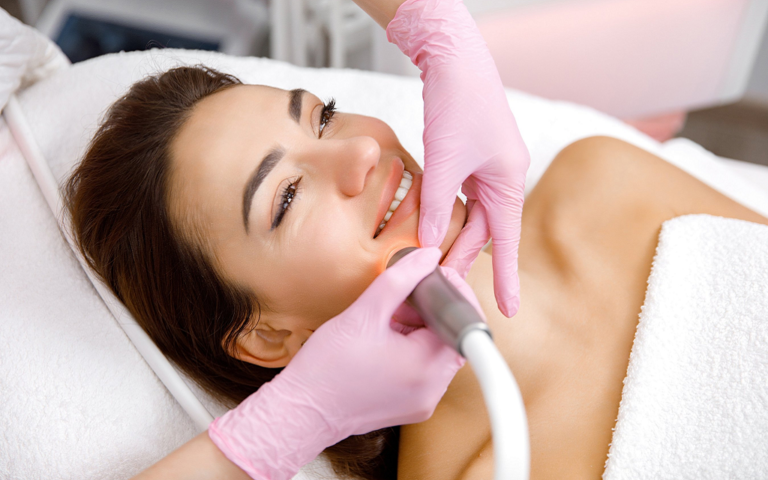
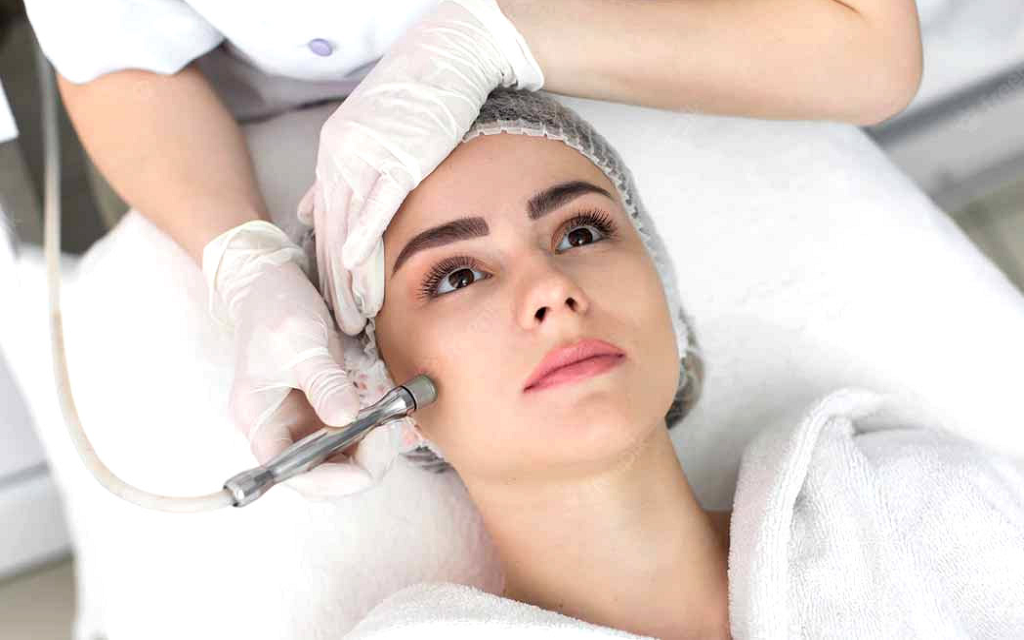
Hydrafacial is a non-invasive facial treatment that uses a patented device to cleanse, exfoliate, extract, and hydrate the skin simultaneously. It combines gentle exfoliation with serums packed with antioxidants, peptides, and hyaluronic acid. Unlike harsh peels, Hydrafacial is suitable for almost all skin types, including sensitive skin prone to redness.
During my sessions at Estheticare Group Clinic, I’ve noticed that Hydrafacial’s multi-step approach not only refreshes the skin but also preps it for better absorption of brightening serums, which is key when tackling discoloration.
How Hydrafacial Targets Skin Discoloration?
Hydrafacial can help with discoloration in several ways:
- Gentle exfoliation: Removes dead skin cells that can make dark spots more noticeable.
- Hydration with active serums: Infuses skin with ingredients like vitamin C and peptides that support brightening and even skin tone.
- Lymphatic drainage and detox: Helps reduce inflammation, which can worsen post-acne marks or pigmentation.
- Improved cell turnover: Encourages new, healthy skin to surface faster, gradually diminishing discoloration.
From my practical experience, Hydrafacial works best for mild to moderate discoloration. For deep, stubborn pigmentation, combining it with chemical peels or laser treatments may yield faster results.
Hydrafacial vs. Other Treatments for Discoloration:
Many people ask me whether Hydrafacial is enough or if they should consider alternatives. Here’s a quick comparison:
| Treatment | Effect on Discoloration | Downtime |
| Hydrafacial | Gentle brightening, improves texture | None |
| Chemical peels | Stronger exfoliation, may lighten spots | 3–7 days |
| Laser therapy | Targets pigment at deeper layers | 1–2 weeks |
| Topical brightening creams | Slower, gradual improvement | None |
In practice at Estheticare Group Clinic, patients often combine Hydrafacial with tailored topical treatments for long-term results. It’s less about replacing other options and more about complementing them.
Who Should Consider Hydrafacial?
Hydrafacial is ideal if you:
- Want a gentle yet effective approach to uneven skin tone.
- Have sensitive skin that reacts to strong chemical peels.
- Are you looking for immediate skin glow while gradually improving discoloration?
However, if your discoloration is severe or resistant, it’s wise to consult a dermatologist for a customized plan.
Tips for Maximizing Results:
From my hands-on experience, results are best when you:
- Schedule regular sessions: Monthly treatments often provide noticeable improvement in 2–3 sessions.
- Use sunscreen daily: Prevents new pigmentation from forming.
- Pair with brightening serums: Vitamin C, niacinamide, or tranexamic acid enhances effects.
- Maintain a healthy skincare routine: Gentle cleansing and hydration support long-term results.
Patients at Estheticare Group Clinic have seen visible improvement in skin tone over a few sessions, especially when they follow a consistent home-care routine alongside in-clinic treatments.
FAQs:
How Soon will I See Results?
You may notice brighter, more even skin after the first session, but significant fading of dark spots typically requires 2–3 sessions spaced a month apart.
Is it Painful?
Hydrafacial is gentle and non-invasive, with most clients describing it as relaxing rather than painful.
Can it Treat Melasma?
Hydrafacial can help improve melasma mildly, but severe cases may need additional treatments like chemical peels or laser therapy.
How Long do Results Last?
Results vary by skin type and lifestyle, but regular maintenance every 4–6 weeks helps sustain improvement.
Can I Combine it with Other Treatments?
Yes, many patients at Estheticare Group Clinic combine Hydrafacial with serums, light chemical peels, or laser treatments for optimal results.
Final Thoughts!
So, Can Hydrafacial Help with Skin Discoloration? Yes, it can, especially for mild to moderate pigmentation. While it’s not a miracle cure, it’s a gentle, effective, and versatile treatment that enhances skin tone, texture, and overall glow. From my experience working with clients at Estheticare Group Clinic, combining Hydrafacial with good skincare and sun protection is a realistic, practical approach to achieving brighter, more even skin.
If you’re considering Hydrafacial in Islamabad, look for clinics that tailor the treatment to your skin type and concerns. A professional touch makes all the difference between temporary glow and lasting improvement.
Book an Appointment
It’s easy and free!
Tags:HydraFacial