Teeth whitening is one of those things people love but also get wrong all the time. I’ve seen patients go from subtle brightness to sensitivity issues just because they thought “more is better.” It’s not. So, How Often Should You Whiten Your Teeth? The honest answer: it depends on your method, your habits, and your …

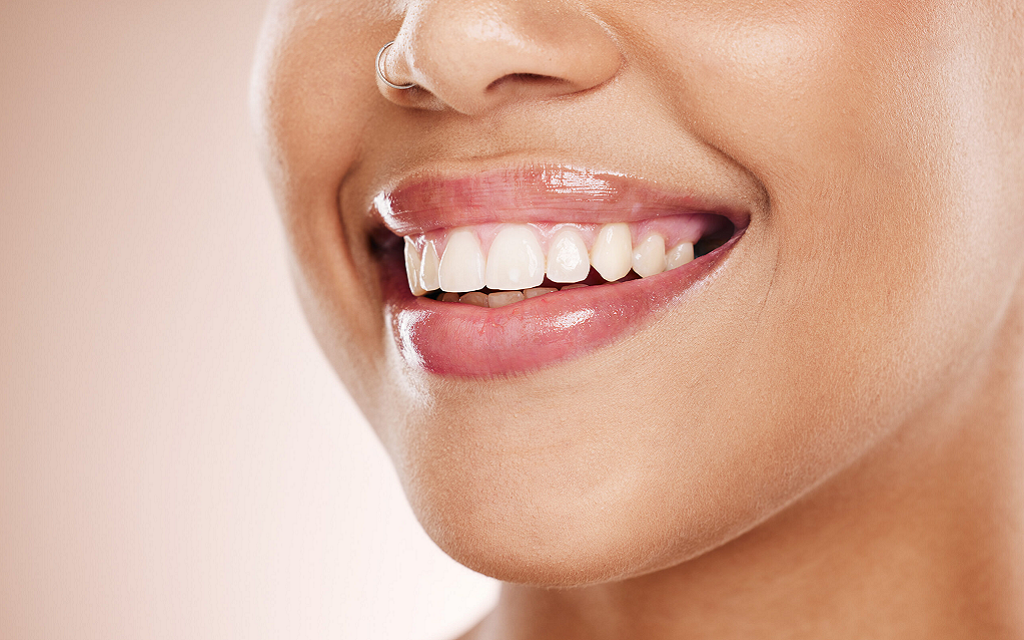
Teeth whitening is one of those things people love but also get wrong all the time. I’ve seen patients go from subtle brightness to sensitivity issues just because they thought “more is better.” It’s not.
So, How Often Should You Whiten Your Teeth? The honest answer: it depends on your method, your habits, and your enamel health.
What Most Articles Get Right (and Wrong)?
If you’ve Googled this topic, you’ve probably noticed a pattern:
What competitors usually cover:
- General timelines (every 6 months, once a year)
- Differences between at-home and professional whitening
- Basic safety warnings
Where they fall short:
- No personalization (everyone gets the same advice)
- Little discussion on lifestyle impact (coffee, smoking, etc.)
- Almost no real-world insight from dental practice
- Weak guidance on when NOT to whiten
The Real Answer: It Depends on the Whitening Method
1. Professional In-Clinic Whitening:
If you’re getting professional treatment, like what I’ve seen at clinics such as Estheticare Group Clinic, you’re working with stronger, dentist-controlled bleaching agents.
Recommended frequency:
- Every 6–12 months
Why?
- These treatments penetrate deeper
- Results last longer
- Overdoing it can weaken enamel or cause sensitivity
From experience, most patients don’t even need a full session every 6 months, just touch-ups.
2. At-Home Whitening Kits (Dentist-Supervised):
These include custom trays or medical-grade gels.
Recommended frequency:
- Every 3–6 months, depending on staining
They’re milder than in-clinic treatments but still effective when used correctly.
3. Over-the-Counter Products (Strips, Toothpaste):
These are the most overused and misunderstood.
Recommended frequency:
- Whitening strips: every 4–6 months
- Whitening toothpaste: safe for daily use, but limited results
Here’s the catch:
Most people overuse strips trying to chase dramatic results. That’s where sensitivity kicks in.
Factors That Change How Often You Should Whiten:
This is where things get personal.
Your Diet:
If you regularly consume:
- Coffee
- Tea
- Red wine
- Cola
You’ll likely need whitening more often.
I’ve seen heavy tea drinkers in Islamabad need touch-ups twice as often as non-stainers.
Smoking Habits:
Nicotine stains are stubborn.
If you smoke:
- Whitening results fade faster
- You may need more frequent maintenance
But here’s the reality: Whitening won’t fully fix smoking stains long-term without lifestyle changes.
Natural Tooth Color:
Some people just have naturally darker enamel.
That doesn’t mean something’s wrong—it just means:
- You may need stronger treatments
- Results may plateau earlier
Enamel Sensitivity:
This is the most overlooked factor.
If you experience:
- Sharp pain after cold drinks
- Tingling during whitening
You should reduce the frequency immediately.
I’ve had patients push through sensitivity and regret it later.
Teeth Whitening in Islamabad: What to Know
If you’re considering Teeth Whitening in Islamabad, you’ll find everything from budget salons to advanced dental clinics.
Here’s the difference that matters:
Professional clinics offer:
- Enamel assessment before treatment
- Controlled whitening strength
- Post-treatment care
That’s why people looking for the Best Teeth Whitening in Islamabad usually end up choosing medically supervised options.
From what I’ve observed, clinics like Estheticare Group Clinic focus more on long-term dental health than quick cosmetic fixes, which is exactly what you want.
Signs You’re Whitening Too Often:
This is something most blogs ignore.
Watch for:
- Increased tooth sensitivity
- Gum irritation
- Chalky or uneven white patches
- Translucent edges on teeth
If you notice any of these, stop immediately and consult a dentist.
How to Make Whitening Results Last Longer?
If you don’t want to keep whitening frequently, do this instead:
- Rinse your mouth after coffee or tea
- Use a straw for staining drinks
- Brush twice daily with non-abrasive toothpaste
- Avoid smoking (or reduce it)
- Get regular cleanings
Honestly, maintenance matters more than frequency.
A Practical Whitening Schedule (Realistic):
Here’s what I typically recommend based on real cases:
- Heavy stainers (coffee/smokers):
- Professional whitening: every 6 months
- Touch-ups: every 2–3 months
- Moderate stainers:
- Professional whitening: once a year
- Touch-ups: every 4–6 months
- Low stainers:
- Professional whitening: every 12–18 months
- Minimal maintenance
FAQs’:
How Often is too Often for Teeth Whitening?
If you’re whitening more than every 3 months with strong products, it’s likely too much especially without dental supervision.
Can I Whiten My Teeth Every Month?
Not recommended. Frequent whitening increases sensitivity and can damage enamel over time.
How Long Do Whitening Results Last?
Typically 6 months to 2 years, depending on lifestyle and maintenance.
Is Professional Whitening Safer than DIY Methods?
Yes. It’s controlled, customized, and monitored, reducing risks significantly.
What’s the Best Option for Teeth Whitening in Islamabad?
Medically supervised clinics provide the safest and most consistent results. Avoid quick-fix salon treatments.
Final Thoughts!
Teeth whitening isn’t a “the more, the better” situation. It’s about timing, method, and knowing your limits.
If there’s one thing I’ve learned from real-world cases, it’s this:
Healthy teeth always look better than over-whitened ones.
If you’re unsure where to start, get a professional opinion first. A good clinic like Estheticare Group Clinic won’t just whiten your teeth; they’ll help you keep them healthy long-term.
Book an Appointment
It’s easy and free!
Tags:Teeth Whitening