Do Hydrafacials Cause Breakouts? If you've recently had a Hydrafacial in Islamabad or you're thinking about booking one, you may have come across stories of people experiencing breakouts afterward. It’s a common concern and one I’ve heard countless times while discussing skincare treatments with clients and skincare professionals. The short answer is: Hydrafacials don't typically …

Do Hydrafacials Cause Breakouts? If you’ve recently had a Hydrafacial in Islamabad or you’re thinking about booking one, you may have come across stories of people experiencing breakouts afterward. It’s a common concern and one I’ve heard countless times while discussing skincare treatments with clients and skincare professionals.
The short answer is: Hydrafacials don’t typically cause true acne breakouts, but some people may notice temporary blemishes after treatment.
Understanding why this happens can help you determine whether your skin is reacting normally or if something else is going on.
What Is a HydraFacial?
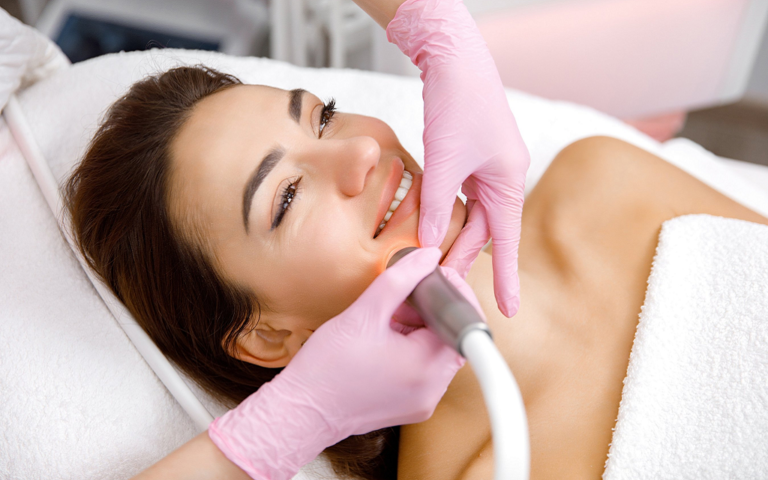
A HydraFacial is a non-invasive facial treatment designed to cleanse, exfoliate, extract impurities, and hydrate the skin in a single session. It uses a specialized vortex technology that removes debris from pores while simultaneously infusing the skin with nourishing serums.
Many people choose HydraFacials because they’re gentle, require little downtime, and can improve:
- Congested pores
- Dull skin
- Mild acne
- Uneven texture
- Dehydration
- Fine lines
For most patients, skin looks fresher and more radiant immediately after treatment.
Why Do Some People Break Out After a HydraFacial?
1. Skin Purging:
One of the most common reasons for post-HydraFacial blemishes is skin purging.
During treatment, exfoliation accelerates skin cell turnover and brings underlying congestion closer to the surface. As a result, small whiteheads or pimples may appear temporarily.
Purging usually:
- Appears within a few days
- Occurs in areas where you normally get acne
- Clears relatively quickly
- Doesn’t continue worsening for weeks
This is often a sign that trapped debris is being expelled from the skin.
2. Existing Congestion Was Already There:
Many clients seeking HydraFacials already have clogged pores beneath the skin’s surface.
The extraction process can reveal these hidden imperfections. What appears to be a new breakout may actually be congestion that was developing before treatment.
I’ve personally seen cases where clients initially worried about post-facial breakouts, only to find their skin significantly clearer a week later.
3. Sensitivity to Skincare Ingredients:
Although HydraFacial serums are generally well tolerated, every person’s skin is different.
Some individuals may react to:
- Active ingredients
- Fragrances
- Peptides
- Boosters added during treatment
If your skin is highly sensitive, discuss any known allergies or sensitivities beforehand.
4. Touching Your Face After Treatment:
This reason is surprisingly common.
After a facial, people often admire their glowing skin and unconsciously touch their face more frequently. Bacteria transferred from hands can contribute to new blemishes.
Freshly exfoliated skin may also be more vulnerable to irritation from makeup, dirty pillowcases, or gym equipment.
What’s Normal After a HydraFacial?
Some temporary reactions are completely normal.
These may include:
- Mild redness
- Slight tightness
- A few small whiteheads
- Increased skin sensitivity for 24–48 hours
These effects usually resolve quickly without intervention.
When Should You Be Concerned?
A small purge is different from a significant breakout.
Consider contacting your skincare provider if you experience:
- Painful cystic acne
- Severe swelling
- Persistent redness lasting more than several days
- Widespread rash-like bumps
- Symptoms that continue worsening after a week
These signs may indicate irritation, an allergic reaction, or another skin condition that needs evaluation.
How to Prevent Breakouts After a HydraFacial?
Follow Proper Aftercare:
The first 24 to 48 hours matter most.
Try to avoid:
- Heavy makeup
- Harsh exfoliants
- Retinoids
- Excessive sun exposure
- Picking at your skin
Allow your skin barrier time to recover.
Stay Consistent With Skincare:
Hydrafacials work best as part of a broader skincare routine.
Use:
- Gentle cleansers
- Non-comedogenic moisturizers
- Daily sunscreen
- Acne-specific products are recommended
Choose an Experienced Provider:
Treatment quality makes a difference.
An experienced practitioner can customize the procedure based on your skin type, concerns, and sensitivity level. During consultations I’ve observed at clinics such as Estheticare Group Clinic, one of the most important factors discussed is selecting appropriate boosters and treatment intensity for the patient’s skin condition, rather than taking a one-size-fits-all approach.
Who Is Most Likely to Experience Post-HydraFacial Breakouts?
You may be more likely to notice temporary blemishes if you:
- Have acne-prone skin
- Experience frequent clogged pores
- Are you using active acne treatments
- Have oily skin
- Haven’t had professional exfoliation in a long time
That doesn’t mean you should avoid HydraFacials. In many cases, regular treatments actually help reduce congestion over time.
The Long-Term Impact on Acne-Prone Skin:
One misconception I frequently encounter is that a single breakout means the treatment failed.
In reality, many acne-prone individuals see improvements after a series of HydraFacial sessions. Regular cleansing, extraction, and hydration can support healthier skin function and reduce pore congestion.
The key is managing expectations. A temporary purge isn’t the same as ongoing acne formation.
Frequently Asked Questions:
How Long Do HydraFacial Breakouts Last?
Most temporary post-treatment blemishes resolve within a few days to one week.
Can a HydraFacial Make Acne Worse?
For some people, underlying congestion may surface initially. Long-term worsening is uncommon when the treatment is performed correctly.
Should I get a HydraFacial if I have Ane?
Many individuals with mild to moderate acne benefit from HydraFacials. However, severe cystic acne may require a customized treatment plan.
Can I Wear Makeup after a HydraFacial?
It’s generally best to wait at least 24 hours before applying heavy makeup.
Is Skin Purging a Good Sign?
Not necessarily good or bad. It simply means increased cell turnover may be bringing existing congestion to the surface.
Final Thoughts!
So, Do Hydrafacials Cause Breakouts? In most cases, no. What many people interpret as a breakout is often temporary skin purging, existing congestion surfacing, or a mild reaction that resolves quickly.
When performed by a qualified professional and paired with proper aftercare, HydraFacials remain one of the most popular treatments for achieving cleaner, healthier-looking skin at Estheticare Group Clinic.
If you’re acne-prone or concerned about post-treatment reactions, have an honest conversation with your provider beforehand. A personalized approach can make all the difference and help you enjoy the glow without unnecessary surprises at Estheticare Group Clinic.
Book an Appointment
It’s easy and free!
Tags:HydraFacial