Hair loss can be frustrating. Whether it’s gradual thinning, a widening part, or excessive hair shedding in the shower, most people start looking for solutions long before they’re ready to consider surgery. One treatment that has gained significant attention in recent years is PRP Therapy: A Natural Hair Growth Treatment. Unlike many temporary solutions, PRP …

Hair loss can be frustrating. Whether it’s gradual thinning, a widening part, or excessive hair shedding in the shower, most people start looking for solutions long before they’re ready to consider surgery.
One treatment that has gained significant attention in recent years is PRP Therapy: A Natural Hair Growth Treatment. Unlike many temporary solutions, PRP uses your body’s own healing mechanisms to support healthier, stronger hair growth.
Having worked with individuals exploring non-surgical hair restoration options, I’ve seen firsthand why PRP continues to be one of the most requested treatments. Patients often appreciate that it’s minimally invasive, requires little downtime, and uses their own blood components rather than synthetic substances.
What Is PRP Therapy?
PRP stands for Platelet-Rich Plasma. It’s a regenerative treatment that uses concentrated platelets extracted from your own blood.
Platelets contain growth factors that help repair tissues and stimulate cellular activity. When injected into the scalp, these growth factors may encourage dormant or weakened hair follicles to become more active.
The process is relatively simple:
- A small amount of blood is drawn.
- The blood is processed in a centrifuge.
- Platelet-rich plasma is separated from other blood components.
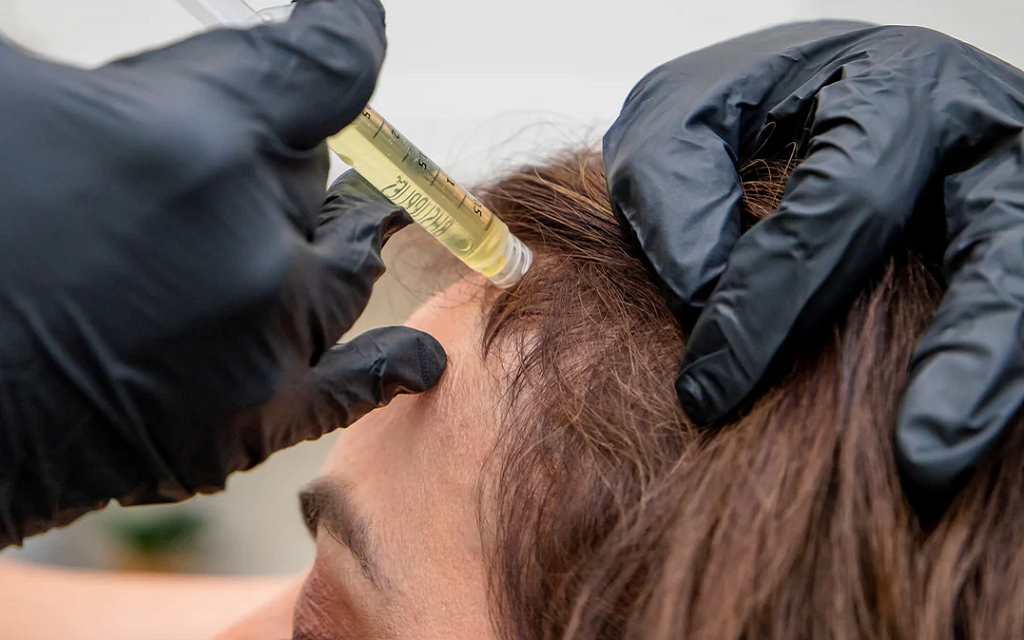
- The PRP is injected into targeted areas of the scalp.
Because the treatment uses your own blood, the risk of allergic reactions is extremely low.
How Does PRP Help With Hair Growth?
Hair follicles naturally go through growth, resting, and shedding phases. Various factors—including genetics, hormonal changes, stress, and aging—can disrupt this cycle.
PRP is believed to help by:
- Increasing blood supply to hair follicles
- Delivering growth factors directly to the scalp
- Supporting follicle health and function
- Potentially extending the hair growth phase
- Improving hair thickness and density
While PRP isn’t a miracle cure, many patients notice reduced shedding and gradual improvements in hair quality over time.
Who Is a Good Candidate for PRP Hair Treatment?
PRP tends to work best for people experiencing:
Early-Stage Hair Thinning:
Individuals with mild to moderate hair loss often achieve better outcomes than those with extensive baldness.
Androgenetic Alopecia:
This common genetic form of hair loss affects both men and women and is one of the most frequently treated conditions with PRP.
Hair Shedding Due to Stress or Lifestyle Factors:
Some patients experiencing temporary thinning may benefit from scalp rejuvenation and follicle stimulation.
PRP may be less effective when hair follicles have been inactive for many years.
What Happens During a PRP Session?
Most appointments take about 45 to 60 minutes.
Consultation:
A specialist evaluates your scalp, hair density, and medical history.
Blood Collection and Processing:
A small blood sample is collected and placed in a centrifuge to isolate platelet-rich plasma.
Scalp Injections:
The concentrated PRP is carefully injected into areas where hair thinning is present.
Most people describe the discomfort as mild and manageable.
When Will You See Results?
One of the most common questions patients ask is how quickly results appear.
The reality is that PRP requires patience.
Typical timelines include:
- 1–2 months: Reduced hair shedding
- 3–4 months: Early signs of thicker hair
- 6 months and beyond: More noticeable improvements in density and quality
Results vary based on age, genetics, overall health, and the severity of hair loss.
PRP in Islamabad: Why Is It Becoming So Popular?
Demand for PRP in Islamabad has grown significantly over the past few years. Many people prefer non-surgical treatments that fit easily into their schedules.
Patients are increasingly looking for evidence-based treatments that don’t involve lengthy recovery periods. PRP appeals to professionals, students, and individuals who want a natural approach to hair restoration.
One trend I’ve noticed is that patients are becoming more informed. They often research treatment protocols, practitioner experience, and clinic standards before making a decision, which is a positive shift for the industry.
Choosing the Right Clinic for PRP Hair Treatment in Islamabad:
Not all PRP treatments are identical.
Several factors influence outcomes:
- Quality of PRP preparation equipment
- Experience of the practitioner
- Proper patient assessment
- Treatment frequency
- Overall scalp health management
During discussions with hair restoration professionals, including specialists associated with Estheticare Group Clinic, a recurring theme is that patient selection and realistic expectations are just as important as the procedure itself.
A reputable clinic should explain both the potential benefits and limitations of treatment rather than promising unrealistic results.
Benefits of PRP Therapy:
Here are some reasons people choose PRP:
- Uses your body’s natural growth factors
- Non-surgical procedure
- Minimal downtime
- Low risk of allergic reactions
- Can complement other hair restoration treatments
- Suitable for both men and women
These advantages make PRP an attractive option for those seeking a conservative approach before considering more invasive procedures.
Are There Any Side Effects?
PRP is generally considered safe when performed by qualified professionals.
Temporary side effects may include:
- Mild redness
- Tenderness at injection sites
- Minor swelling
- Temporary scalp sensitivity
These effects typically resolve within a few days.
Frequently Asked Questions:
Is PRP Therapy Painful?
No. Maintenance sessions are usually recommended to sustain results. Hair loss is often an ongoing process, particularly when genetics are involved.
How Many PRP Sessions are Needed?
Many treatment plans begin with three to four sessions spaced several weeks apart, followed by maintenance treatments.
Does PRP Work for Complete Baldness?
PRP generally works best when active hair follicles are still present. Completely bald areas may respond less effectively.
Is PRP Painful?
Most patients tolerate the procedure well. Some mild discomfort may occur during injections.
Is PRP Hair Treatment in Islamabad Affordable?
Costs vary depending on the clinic, technology used, and number of sessions required. A consultation can provide a more accurate estimate.
Final Thoughts!
PRP Therapy offers a promising, natural approach to hair restoration for people experiencing thinning hair and early-stage hair loss. By utilizing your body’s own growth factors, it provides a non-surgical option that can improve hair quality, reduce shedding, and support healthier follicles.
While results aren’t instant and individual outcomes vary, PRP remains one of the most trusted regenerative treatments available today. The key is choosing an experienced provider, maintaining realistic expectations, and following a personalized treatment plan. For anyone considering PRP in Islamabad, taking the time to consult with qualified specialists and reputable clinics such as Estheticare Group Clinic can help ensure a safe and informed treatment journey.
Book an Appointment
It’s easy and free!
Tags:PRP