Hair loss changes more than appearance. For many people, especially men dealing with advanced thinning or large bald areas, it slowly affects confidence, social comfort, and even professional interactions. I’ve worked with patients who spent years trying oils, supplements, shampoos, and online “miracle fixes” before finally considering surgery. One thing I’ve noticed over the years …

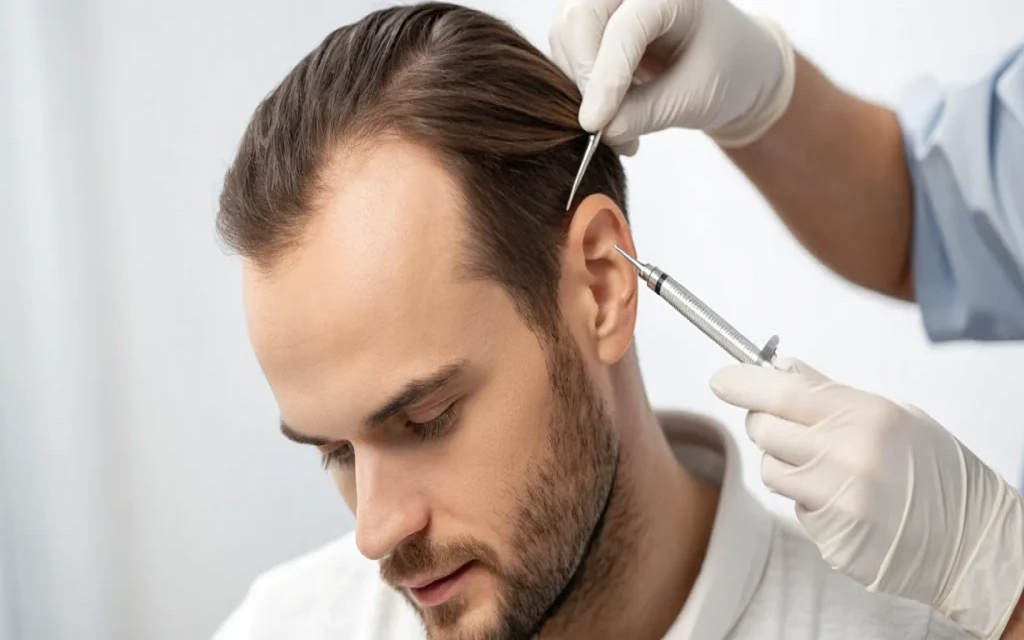
Hair loss changes more than appearance. For many people, especially men dealing with advanced thinning or large bald areas, it slowly affects confidence, social comfort, and even professional interactions. I’ve worked with patients who spent years trying oils, supplements, shampoos, and online “miracle fixes” before finally considering surgery.
One thing I’ve noticed over the years is this: when hair loss becomes extensive, the conversation usually shifts from temporary solutions to graft survival, donor management, and realistic density which is exactly where understanding the Benefits of FUT for Advanced Hair Loss becomes important.
Despite the popularity of newer extraction methods, FUT (Follicular Unit Transplantation) remains one of the most effective surgical options for advanced hair restoration, especially when performed by experienced specialists.
Why FUT Still Matters in Modern Hair Restoration?
FUT Hair Transplant, often called the “strip method,” involves removing a thin strip of scalp from the donor area and dissecting it into individual grafts for implantation.
A lot of top-ranking articles mention FUT briefly, then jump straight into FUE comparisons. What they often miss is why FUT is still recommended for patients with severe hair loss.
For advanced stages of baldness, donor hair becomes extremely valuable. FUT allows surgeons to harvest a larger number of grafts in a single session without excessively overharvesting the donor zone.
1. Higher Graft Yield for Large Bald Areas:
This is probably the biggest benefit of FUT for advanced hair loss.
Patients with Norwood stage 5, 6, or 7 hair loss usually require thousands of grafts. In many cases, FUT can safely provide more grafts in one procedure compared to FUE alone.
From what I’ve seen in clinical practice, this matters because:
- More extensive coverage can be achieved sooner
- Fewer surgeries may be needed
- Donor hair is preserved more strategically
- Better density is possible in the frontal and mid-scalp regions
Clinics offering FUT Hair Transplant in Islamabad often recommend FUT specifically for patients with extensive baldness and limited donor reserves.
2. Better Donor Area Preservation:
One issue many patients don’t fully understand is donor depletion.
With aggressive FUE procedures, the donor region can sometimes appear patchy or overharvested if too many follicles are extracted individually.
FUT avoids widespread extraction across the donor scalp because the follicles are taken from a single strip. That leaves the surrounding donor hair relatively intact.
For patients who may need:
- Future touch-up sessions
- Combination FUT + FUE procedures
- Additional crown restoration later
…this preservation can be incredibly useful.
At clinics like Estheticare Group Clinic, surgeons often evaluate long-term donor management before recommending a technique, which is honestly how it should be approached.
3. Strong Graft Survival Rate:
Healthy graft quality plays a huge role in final results.
Because FUT grafts are dissected carefully under microscopes, there’s often less follicle trauma during harvesting. In experienced hands, this can improve graft survival and growth consistency.
Patients with:
- Coarse hair
- Thick donor density
- Advanced recession
- Multiple bald regions
…often benefit from the robust graft quality FUT provides.
This isn’t talked about enough online. Many articles focus heavily on scars while ignoring graft integrity and long-term planning.
4. Cost-Effective for Extensive Hair Loss:
Hair transplants can become expensive when large graft counts are needed.
FUT is often more affordable per graft than FUE, particularly for sessions involving 3,000–5,000 grafts or more.
That doesn’t mean “cheap.” A good transplant should never be chosen based on price alone.
Still, for patients seeking reliable Hair Loss Treatment in Islamabad, FUT can offer a more financially practical solution for major restoration work.
What About the FUT Scar?
This is the question everyone asks.
Yes, FUT leaves a linear scar. There’s no point pretending otherwise. But modern closure techniques have improved significantly over the years.
In many cases:
- The scar stays thin
- It’s hidden under medium-length hair
- It becomes difficult to notice after healing
Patients who prefer extremely short hairstyles may lean toward FUE instead. But patients focused on maximum coverage and density often decide the trade-off is worth it.
That’s the part many competitor articles oversimplify.
FUT vs FUE for Advanced Hair Loss:
FUT May Be Better If:
- You have severe baldness
- You need maximum graft numbers
- Donor preservation matters
- You wear your hair medium or long
- Budget is a consideration
FUE May Be Better If:
- You prefer very short haircuts
- Baldness is still limited
- You want minimal linear scarring
- You need smaller touch-up sessions
In reality, many experienced surgeons now combine both methods strategically.
Recovery Expectations After FUT:
Recovery usually takes a bit longer than FUE because stitches are involved.
Most patients can expect:
- Mild tightness for several days
- Suture removal within 10–14 days
- Temporary numbness near the donor area
- Visible shedding before regrowth begins
New growth generally starts around 3–4 months, with fuller results appearing closer to 10–12 months.
One thing I always tell patients: don’t judge the procedure too early. Hair restoration is slow, and the awkward shedding phase is completely normal.
Questions Patients Often Forget to Ask:
This is where many online articles feel shallow. Patients searching for FUT information usually want practical answers, not just technical definitions.
Here are smarter questions worth asking during a consultation:
- How many grafts can realistically be harvested?
- Will FUT affect future transplant options?
- Is my donor density strong enough?
- How visible will the scar be with my haircut style?
- What happens if hair loss progresses further?
A good surgeon should answer these honestly instead of promising unrealistic density.
FAQs:
Is FUT Better than FUE for Severe Baldness?
For many advanced cases, yes. FUT often allows higher graft extraction in one session while preserving donor hair more effectively.
Does FUT Look Natural?
Absolutely, if performed correctly. Naturalness depends more on graft placement, hairline design, and surgeon skill than on the harvesting method itself.
Is FUT Painful?
Most patients report mild discomfort rather than severe pain. Local anesthesia is used during surgery, and post-operative soreness is usually manageable.
Can Women Get FUT Hair Transplants?
Yes. Women with stable donor areas and significant thinning may also benefit from FUT procedures.
How Long Does FUT Last?
The transplanted follicles are generally permanent because they’re taken from genetically resistant donor areas.
Final Thoughts!
FUT isn’t outdated. It’s simply more specialized now.
For patients with advanced hair loss, especially those needing substantial coverage, FUT still offers some of the strongest advantages in modern hair restoration: higher graft yield, better donor preservation, and cost efficiency for large sessions.
The key is choosing the right surgeon and having realistic expectations from the beginning.
At Estheticare Group Clinic, I’ve seen how proper evaluation and planning can completely change the outcome, especially when patients are guided toward the technique that actually suits their level of hair loss rather than whatever is trending online.
I’ve seen patients regret rushing into trendy procedures without understanding their long-term donor limitations. A thoughtful consultation matters far more than marketing buzzwords.
And in many advanced cases, FUT continues to be one of the smartest surgical options available today.
Book an Appointment
It’s easy and free!
Tags:FUT Hair Transplant