Hair transplant procedures have come a long way. What used to be a purely surgical approach is now often supported with regenerative therapies to improve healing and density. One of the most widely discussed combinations today is Combining PRP with Hair Transplant for Better Results. If you’ve ever looked into hair restoration, you’ve probably come …

Hair transplant procedures have come a long way. What used to be a purely surgical approach is now often supported with regenerative therapies to improve healing and density. One of the most widely discussed combinations today is Combining PRP with Hair Transplant for Better Results.
If you’ve ever looked into hair restoration, you’ve probably come across PRP Platelet-Rich Plasma. It sounds technical, but the idea is actually quite simple: using your own blood’s growth factors to support healing and stimulate hair follicles.
I’ve seen this combination used increasingly in clinics, including cases at Estheticare Group Clinic, where PRP is often integrated into transplant plans rather than treated as an optional add-on. The difference in recovery quality and early growth is noticeable in many patients.
What Is PRP in Hair Restoration?
PRP (Platelet-Rich Plasma) is a concentration of platelets extracted from your own blood. These platelets contain growth factors that help tissue repair and regeneration.
In hair restoration, PRP is used to:
- Improve scalp healing after transplant
- Strengthen existing hair follicles
- Stimulate dormant follicles
- Increase blood supply to transplanted grafts
It’s not a standalone cure for baldness, but it enhances the environment in which hair grows.
How Does Combining PRP with Hair Transplant for Better Results Work?
The combination strategy is based on one idea: transplanted hair needs support to survive and thrive.
Here’s how PRP fits into the process:
1. During Surgery (or Immediately After):
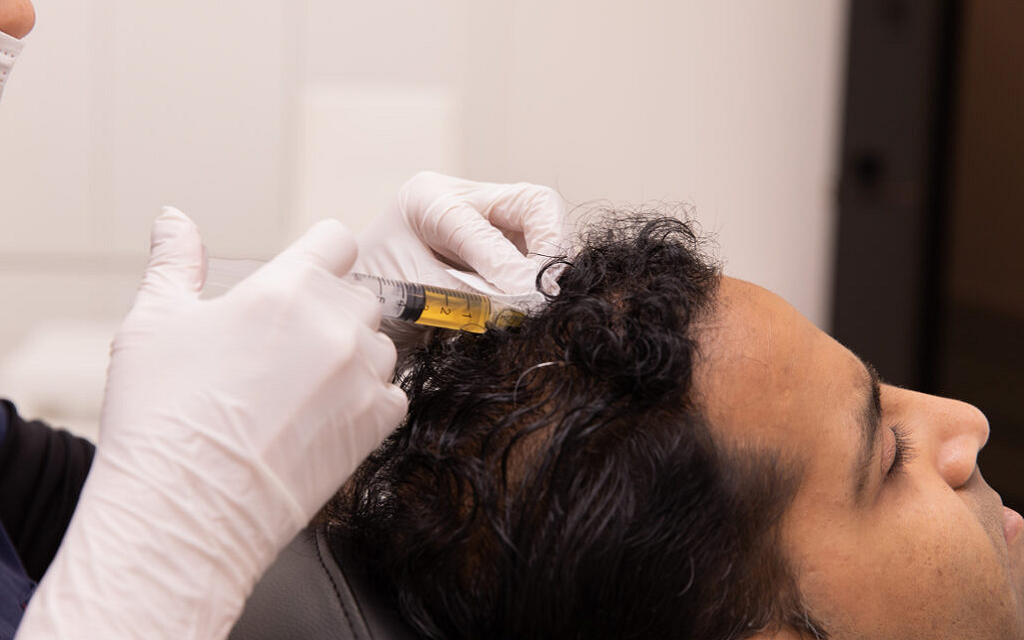
PRP is sometimes injected into the scalp or applied to graft areas to reduce inflammation and improve graft survival.
2. Early Healing Phase:
Growth factors help accelerate tissue repair, reducing redness, swelling, and recovery time.
3. Growth Phase (Weeks to Months):
PRP supports stronger follicle activation, leading to improved density and earlier visible results.
This is why many specialists recommend PRP as part of a structured transplant plan rather than a separate treatment.
Why PRP Improves Hair Transplant Outcomes?
The real value of PRP isn’t just theoretical, it shows up in practical outcomes.
Key benefits include:
- Higher graft survival rate
- Faster healing after surgery
- Reduced post-procedure shedding
- Improved hair thickness in the early growth phase
- Better scalp blood circulation
One thing I’ve noticed in real-world cases is that patients who receive PRP tend to become less anxious during the recovery period because early signs of growth appear sooner. That psychological reassurance matters more than people think.
PRP Hair Transplant in Islamabad: Growing Demand
Interest in PRP Hair Transplant in Islamabad has increased significantly in recent years. Patients are more aware of combination therapies and want better long-term outcomes, not just graft placement.
At clinics like Estheticare Group Clinic, PRP is often recommended for:
- Patients with early-stage hair loss
- Individuals with weaker donor areas
- Those undergoing FUE-based procedures
- Patients are concerned about the healing speed
It’s not mandatory for everyone, but it can significantly improve results for the right candidates.
What Competitor Articles Often Miss?
After reviewing common content ranking for this topic, a few gaps stand out:
1. Overpromising “Guaranteed Growth”:
Many pages suggest PRP guarantees thick regrowth, which is misleading. It enhances results; it doesn’t replace transplantation.
2. Lack of Timing Explanation:
Few articles clearly explain when PRP should be done (pre-op, intra-op, or post-op), which is actually crucial.
3. No discussion on Patient Variability:
Results depend on:
- Age
- Hair loss stage
- Overall health
- Genetics
4. Ignoring Realistic Expectations:
PRP improves outcomes, but it won’t transform poor donor areas into dense coverage.
What’s often missing is balance understanding of where PRP helps most and where its effects are limited.
When PRP Works Best with Hair Transplant?
From clinical observations, PRP tends to be most effective in:
- Early to moderate hair loss cases
- Patients with good donor density
- Individuals following post-care instructions properly
- Those combining medical therapy with transplantation
It’s less impactful in advanced baldness cases where donor limitations already exist.
What Does the Procedure Feel Like?
PRP itself is fairly simple and minimally invasive.
Steps usually include:
- A small blood sample is drawn
- It is spun in a centrifuge to separate plasma
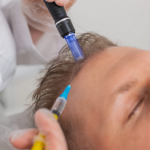
- The concentrated PRP is injected into the scalp
Patients typically describe it as mild discomfort rather than pain. It’s quick, and there’s no major downtime.
When combined with a hair transplant, it adds only a short additional step but can influence long-term results significantly.
Recovery and What to Expect?
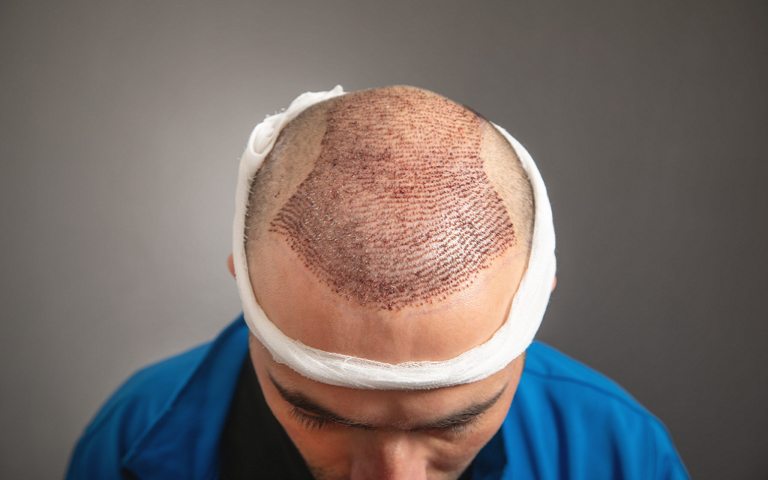
After combining PRP with a hair transplant, recovery is usually smoother.
You may notice:
- Reduced scalp tightness
- Less redness in the early days
- Faster healing of micro-incisions
- Early “shedding phase” followed by new growth
One thing patients often don’t expect is patience being part of the process. Even with PRP, visible hair growth still follows a timeline of 3–6 months for noticeable change and up to 12 months for final results.
Is It Worth Adding PRP?
This is a common question, and the honest answer is: it depends.
PRP is worth considering if:
- You want faster recovery
- You’re aiming for stronger graft support
- You have early-stage hair thinning
- You want to maximize transplant results
However, if budget is a concern, a well-performed transplant alone still delivers results. PRP enhances it doesn’t define success.
FAQs:
Does PRP Guarantee Better Hair Transplant Results?
It improves healing and graft survival, but results still depend on surgical quality and patient factors.
How Many PRP Sessions are Needed after a Hair Transplant?
Usually 2–4 sessions spaced over a few months, depending on the clinic protocol.
Is PRP Painful?
It involves minor injections, but discomfort is generally mild and temporary.
When Should PRP be Done Before or After Transplant?
It can be done before, during, or after surgery, depending on the treatment plan.
Is PRP Hair in Islamabad Widely Available?
Yes, many clinics offer it, but quality and technique vary. Clinics like Estheticare Group Clinic integrate it into structured transplant protocols.
Final Thoughts!
The idea behind Combining PRP with Hair Transplant for Better Results isn’t about replacing surgery; it’s about supporting it. Think of it as improving the soil, not just planting the seed.
When done correctly, PRP can make Hair Transplant recovery smoother and early growth more encouraging, which often keeps patients more confident throughout the journey.
Hair restoration is never an overnight transformation. But with the right combination of technique, planning, and aftercare, the results can feel not just visible but genuinely satisfying in a long-term way.
Book an Appointment
It’s easy and free!
Tags:PRP