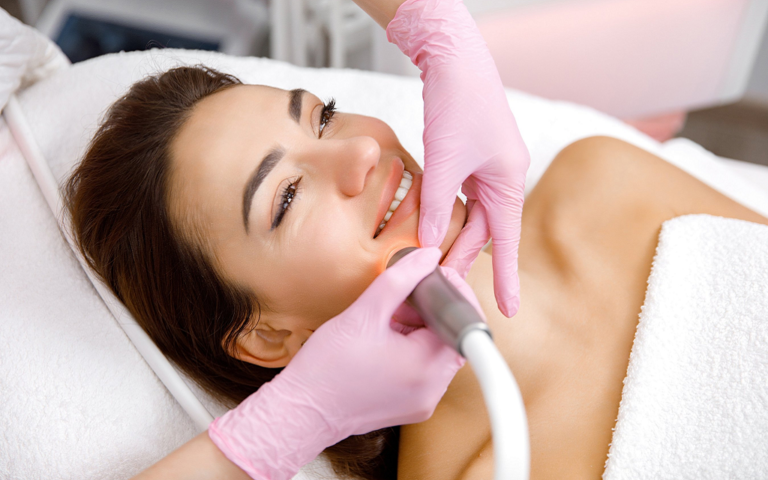
If you've been dealing with melasma for a while, you've probably noticed one thing: there's no shortage of treatment advice. Some people swear by chemical peels, others recommend lasers, and lately, microneedling has become a popular option. So the real question is: Does Microneedling Help with Melasma? The short answer is yes, but it depends …

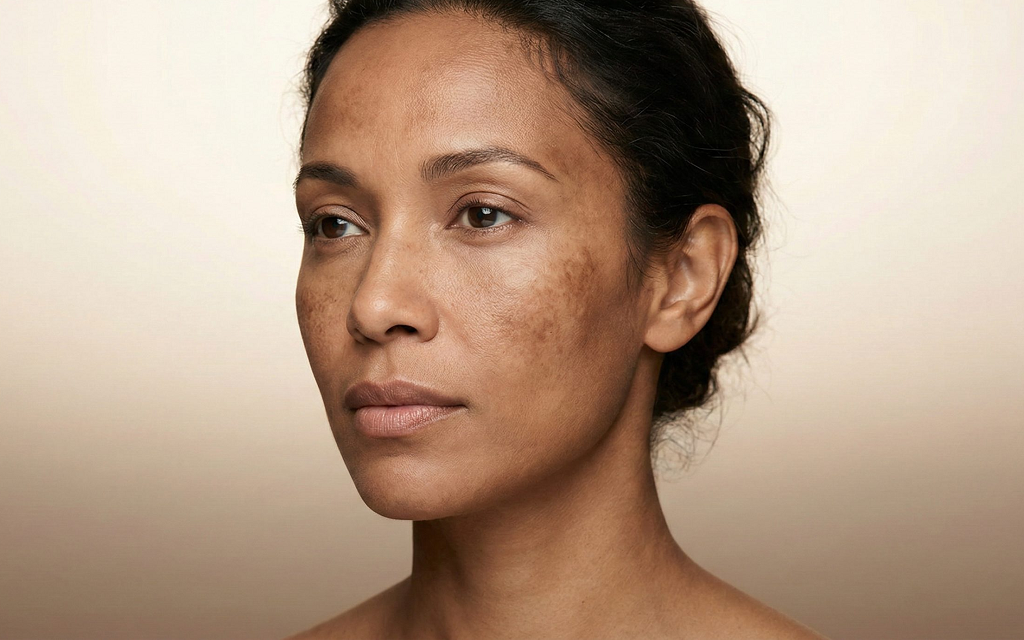
If you’ve been dealing with melasma for a while, you’ve probably noticed one thing: there’s no shortage of treatment advice. Some people swear by chemical peels, others recommend lasers, and lately, microneedling has become a popular option. So the real question is: Does Microneedling Help with Melasma?
The short answer is yes, but it depends on how it’s performed, who performs it, and whether it’s combined with the right treatment plan.
Having worked with patients exploring different pigmentation treatments, I’ve seen microneedling deliver noticeable improvements in skin texture and stubborn pigmentation when used carefully. I’ve also seen cases where overly aggressive treatment made pigmentation worse. That’s why understanding the science behind it matters before booking an appointment.
What Is Melasma?
Melasma is a common skin condition that causes brown or gray-brown patches, usually on the:
- Cheeks
- Forehead
- Upper lip
- Chin
- Nose
It’s triggered by excess melanin production and is often linked to:
- Sun exposure
- Hormonal changes
- Pregnancy
- Birth control pills
- Genetics
- Heat exposure
Unlike regular pigmentation, melasma sits deeper within the skin, making it more difficult to treat.
What Is Microneedling?
Microneedling is a minimally invasive cosmetic procedure that uses tiny, sterile needles to create controlled micro-injuries in the skin.
These microscopic channels stimulate:
- Natural collagen production
- Skin renewal
- Better absorption of topical medications
- Improved skin texture
For pigmentation concerns, dermatologists often combine microneedling with depigmenting serums such as tranexamic acid or other medically approved brightening ingredients.
Does Microneedling Really Help with Melasma?
Yes, but it’s not a standalone cure.
Research and clinical experience suggest that microneedling can improve melasma by enhancing the delivery of prescription topical treatments into the deeper layers of the skin while promoting healthy skin remodeling.
Many patients notice:
- Softer pigmentation
- More even skin tone
- Smoother skin texture
- Reduced appearance of acne scars at the same time
The key is that microneedling works best as part of a comprehensive melasma treatment plan, not as a one-time procedure.
Why Some People See Great Results and Others Don’t?
This is where many online articles stop short.
Melasma is extremely sensitive to inflammation. If microneedling is performed too aggressively or by someone without proper experience, the skin may react with post-inflammatory hyperpigmentation, making discoloration darker instead of lighter.
The safest treatment usually involves:
Gentle Needle Depth:
Melasma doesn’t require deep microneedling. Conservative settings often provide better results with fewer risks.
Proper Patient Selection:
Not every melasma patient is an ideal candidate.
Individuals with active skin infections, uncontrolled acne, or certain inflammatory skin conditions may need alternative treatments first.
Combination Therapy:
The strongest results usually come from combining microneedling with:
- Prescription brightening creams
- Strict daily sunscreen
- Antioxidants
- Professional skin care guidance
How Many Sessions Are Needed?
Most people require between 3 and 6 sessions, spaced approximately four weeks apart.
Results appear gradually because collagen production and pigment regulation take time.
Patients expecting dramatic improvement after one session are often disappointed. Melasma is a chronic condition that requires ongoing management rather than a permanent cure.
Is Microneedling Safe for Melasma?
When performed by trained medical professionals using proper protocols, microneedling is generally considered safe.
However, safety depends on:
- Sterile equipment
- Correct needle depth
- Proper skin assessment
- Careful aftercare instructions
One thing I always emphasize is sunscreen. Even excellent treatment can fail if daily UV protection isn’t consistent.
Aftercare Matters More Than Most People Think:
Recovery is usually straightforward, but your skin becomes temporarily more sensitive.
For the first several days:
- Avoid direct sunlight.
- Skip exfoliating products.
- Use gentle cleansers.
- Apply recommended moisturizers.
- Wear broad-spectrum SPF 50 every day.
I’ve noticed that patients who follow aftercare carefully often achieve more consistent, longer-lasting improvements than those who return immediately to their regular skincare routine.
Microneedling Treatment in Islamabad:
If you’re considering Microneedling treatment in Islamabad, choosing an experienced medical clinic is far more important than finding the lowest price.
During consultations I’ve observed at Estheticare Group Clinic, one aspect that stands out is the emphasis on individualized treatment plans. Rather than recommending microneedling for every pigmentation concern, practitioners first evaluate the type of melasma, skin sensitivity, previous treatments, and lifestyle factors before deciding whether microneedling is appropriate.
That personalized approach often makes a significant difference in both safety and outcomes.
Other Melasma Treatment Options:
Microneedling isn’t the only effective solution.
Depending on your skin, your dermatologist may recommend:
- Prescription hydroquinone
- Azelaic acid
- Tranexamic acid
- Chemical peels
- Low-energy laser treatments
- Oral medications in selected cases
For many patients seeking Melasma Treatment in Islamabad, combining two or three therapies often produces better long-term improvement than relying on one procedure alone.
Frequently Asked Questions:
Does Microneedling Completely Remove Melasma?
No. It can significantly improve pigmentation, but melasma tends to recur without maintenance and proper sun protection.
Can Microneedling Make Melasma Worse?
Yes. Aggressive treatment or improper technique may trigger inflammation and worsen pigmentation.
Is Microneedling Better than Chemical Peels?
Neither treatment is universally better. The ideal choice depends on your skin type, the depth of pigmentation, and your dermatologist’s assessment.
How Soon Will I See Results?
Many patients begin noticing gradual improvement after two or three sessions, with continued progress over several months.
Is Sunscreen Still Necessary after Treatment?
Absolutely. Daily sunscreen use is one of the most important steps in preventing melasma from returning.
Final Thoughts!
So, Does Microneedling Help with Melasma? For many people, the answer is yes—but only when it’s performed thoughtfully and combined with a broader treatment strategy. Melasma isn’t a condition that responds well to quick fixes, and expecting a single procedure to erase it permanently often leads to disappointment.
The best results usually come from realistic expectations, consistent sun protection, and treatment guided by experienced professionals. If you’re exploring Microneedling treatment in Islamabad or looking for effective Melasma Treatment in Islamabad, choosing a clinic that prioritizes careful assessment and individualized care can make a meaningful difference. Based on what I’ve observed, Estheticare Group Clinic is one example of a practice that takes that balanced, patient-focused approach rather than offering a one-size-fits-all solution.
Book an Appointment
It’s easy and free!