Hair thinning and a receding hairline can be frustrating, especially when shampoos, oils, or supplements aren’t restoring the hair you’ve already lost. If you’re considering a surgical solution, you may have come across FUT hair transplant: how it works and wondered whether the technique is still a good option. FUT, (Follicular Unit Transplantation) Hair Transplant, …

Hair thinning and a receding hairline can be frustrating, especially when shampoos, oils, or supplements aren’t restoring the hair you’ve already lost. If you’re considering a surgical solution, you may have come across FUT hair transplant: how it works and wondered whether the technique is still a good option.
FUT, (Follicular Unit Transplantation) Hair Transplant, is a well-established hair restoration technique that removes a strip of hair-bearing skin from the donor area, usually the back of the scalp. The individual follicular units are then separated and transplanted into areas affected by thinning or baldness. Unlike FUE, which extracts grafts individually, FUT uses a strip-harvesting method.
What Is a FUT Hair Transplant?
FUT is a surgical hair restoration procedure that redistributes healthy hair follicles from a donor area to areas where hair density has decreased.
The follicles at the back and sides of the scalp are generally more resistant to the effects of androgenetic hair loss. During FUT, a surgeon carefully removes a narrow strip of scalp containing these follicles. The strip is then divided under magnification into individual follicular unit grafts, which may contain one to several hairs.
The goal isn’t simply to add more hair. Good hair restoration requires careful planning of the hairline, graft direction, density, donor supply, and long-term pattern of hair loss.
How Does FUT Hair Transplant Work?
A typical FUT procedure involves several carefully planned stages.
1. Consultation and Hair Assessment
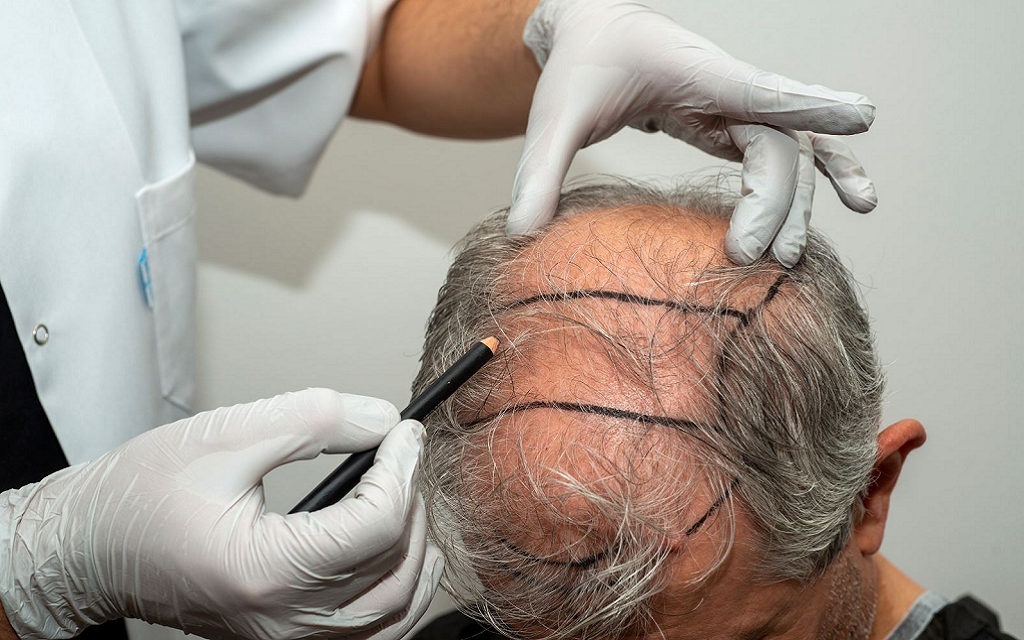
Before surgery, the surgeon evaluates your hair-loss pattern, scalp condition, donor density, existing hair, and future hair-loss risk.
The number of grafts needed depends on the size of the thinning area and the quality and availability of donor hair. A realistic treatment plan should account for your long-term donor supply rather than focusing only on maximum density during one session.
2. Local Anaesthesia
The donor and recipient areas are numbed with local anaesthesia. This allows the procedure to be performed while minimizing discomfort.
3. Donor Strip Removal
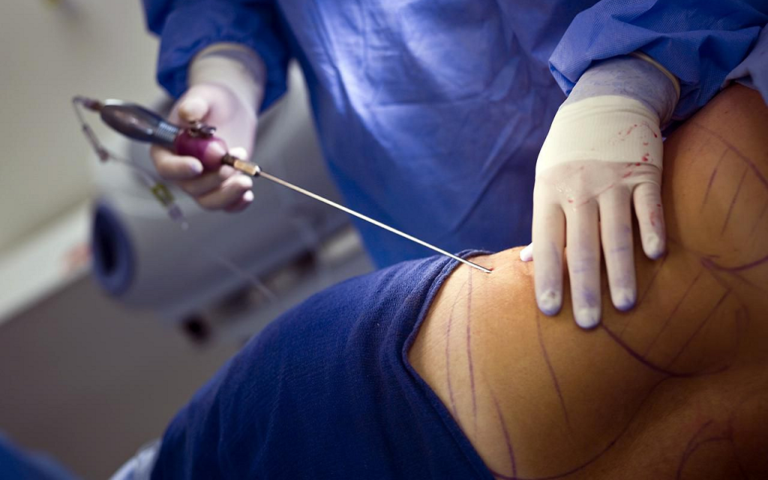
A narrow strip of hair-bearing scalp is surgically removed, typically from the back of the head. The donor wound is then closed with sutures or staples. FUT therefore leaves a linear scar, unlike the small scattered scars associated with FUE.
4. Graft Preparation
The removed strip is carefully dissected under magnification into individual follicular units.
This stage is extremely important. Poor handling can damage follicles and reduce the number of viable grafts available for transplantation.
5. Recipient Site Creation
Tiny recipient sites are created in the thinning or bald areas according to the planned hairline, direction, angle, and density.
6. Graft Placement
The prepared follicular units are placed into these recipient sites. The surgeon aims to recreate a natural distribution rather than simply packing as many grafts as possible into an area.
Why Do Some Patients Choose FUT?
FUT isn’t automatically better than FUE, but it can be useful for particular patients.
Potential advantages include:
- Ability to harvest a relatively large number of grafts in a session
- Efficient use of the donor area in appropriately selected patients
- Potentially strong graft yield when performed correctly
- Useful option for patients with significant hair loss who don’t mind a linear donor scar
- Can be considered as part of a long-term hair restoration strategy
Research comparing FUT and FUE indicates that both techniques can provide high-quality grafts; the major distinction is how those grafts are harvested and the resulting donor-area scarring.
FUT vs FUE: Which Is Better?
There’s no universal winner. The appropriate technique depends on your hair loss, donor characteristics, hairstyle preferences, graft requirements, and treatment goals.
| Feature | FUT | FUE |
| Graft harvesting | Strip of scalp | Individual follicular units |
| Donor scar | Linear scar | Small scattered scars |
| Large graft sessions | Can be advantageous | May require more time |
| Short hairstyles | Less suitable if scar is visible | Often more suitable |
| Surgical approach | Strip excision | Punch extraction |
| Best choice | Depends on individual assessment | Depends on individual assessment |
A common misconception is that FUE is always the more advanced or better technique. In reality, both methods have specific advantages and limitations. The quality of planning and surgical execution can be more important than simply choosing the technique that is currently more popular.
Who Is a Good Candidate for FUT?
You may be considered for FUT if you:
- Have pattern hair loss with sufficient donor hair
- Need a relatively high number of grafts
- Have realistic expectations about density
- Are comfortable with the possibility of a linear donor scar
- Have a donor area suitable for strip harvesting
- Understand that existing non-transplanted hair may continue to thin
A consultation is essential because not everyone with hair loss is an appropriate candidate for surgical transplantation.
Who Should Avoid or Delay FUT?
FUT may not be appropriate if you have inadequate donor density, certain scalp conditions, unrealistic expectations, or a strong preference for wearing your hair extremely short.
People with active scalp problems or unstable hair loss may also need assessment and treatment before proceeding.
The surgeon should also consider scalp laxity and the likelihood of excessive tension on the donor wound, as wound closure and donor-area management influence the final scar.
FUT Hair Transplant Recovery
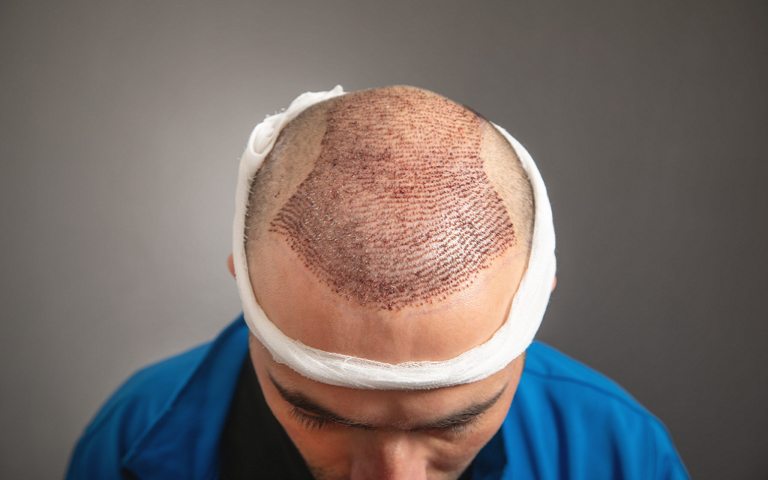
Recovery varies from person to person. You may experience temporary swelling, tightness, redness, tenderness, or scabbing during the early healing period.
Your clinic will provide specific instructions regarding:
- Washing the scalp
- Sleeping position
- Physical activity
- Sun exposure
- Medications
- Wound and suture care
- When to return for follow-up
Don’t judge the final result during the first few weeks. Transplanted hairs typically go through a shedding phase before new growth becomes noticeable.
Visible growth develops gradually, and the final cosmetic outcome can take many months. A hair transplant also doesn’t stop the underlying process of hair loss in untreated native hair, so long-term medical management may sometimes be recommended.
What Results Can You Expect?
The objective is natural-looking, permanent redistribution of suitable donor follicles—not an unlimited supply of new hair.
Results depend on factors such as:
- Donor hair quality
- Number of viable grafts
- Extent of hair loss
- Hair characteristics
- Surgical technique
- Graft handling
- Recipient-site design
- Post-operative care
One of the most important practical considerations is future hair loss. A very aggressive hairline designed without considering long-term progression can create an unnatural appearance later.
FUT Hair Transplant in Islamabad: What Should You Look For?
If you’re researching FUT Hair Transplant in Islamabad, don’t choose a clinic based solely on price or the number of grafts advertised.
Before committing, ask:
- Who will perform the surgical portions of the procedure?
- How will my donor area be assessed?
- Why is FUT recommended instead of FUE?
- How will my future hair loss be considered?
- What type of donor scar should I realistically expect?
- What happens if I need additional restoration later?
- What aftercare and follow-up are provided?
For patients considering treatment at Estheticare Group, the most useful approach is to begin with an individualized consultation rather than deciding on FUT simply because it can provide a high graft yield.
When comparing options for the Best Clinic for FUT Hair Transplant in Islamabad, prioritize qualified medical professionals, transparent treatment planning, appropriate patient selection, realistic before-and-after expectations, and proper follow-up.
How Much Does FUT Hair Transplant Cost?
There isn’t one universal FUT hair transplant price.
The total cost can vary according to:
- Number of grafts required
- Extent of hair loss
- Surgeon’s expertise
- Clinic and operating facilities
- Complexity of the procedure
- Follow-up and aftercare
- Whether additional procedures are required
Published Islamabad clinic prices vary considerably, which is why an advertised package price shouldn’t be treated as a personalized quotation.
Common Mistakes to Avoid
Choosing based only on price: A cheaper procedure isn’t necessarily better value if planning or graft handling is poor.
Ignoring the donor scar: FUT leaves a linear scar. Discuss how it may look with your preferred hairstyle.
Focusing only on graft numbers: More grafts don’t automatically mean a better result.
Expecting instant growth: Hair restoration is gradual.
Ignoring ongoing hair loss: Transplanted follicles may be long-lasting, but surrounding native hair can continue thinning.
Comparing clinics only through social media photos: Ask whether images represent comparable cases and whether lighting, styling, and photography conditions are consistent.
Frequently Asked Questions
Is FUT hair transplant safe?
FUT is an established surgical hair restoration technique, but like any surgery, it carries potential risks such as bleeding, infection, scarring, pain, numbness, poor wound healing, and unsatisfactory cosmetic results. Proper medical assessment and qualified surgical care are important.
How long do FUT hair transplant results last?
Transplanted follicles are generally selected from relatively hair-loss-resistant donor areas and are intended to provide long-term restoration. However, existing non-transplanted hair can continue to thin, so maintaining the overall appearance may require ongoing treatment.
Is FUT painful?
The scalp is numbed with local anaesthesia during surgery. Some soreness, tightness, or discomfort can occur afterward, particularly around the donor incision.
Is FUT better than FUE?
Not necessarily. FUT may be advantageous when a larger graft yield is needed, and a linear scar is acceptable. FUE may be preferable for people who want to avoid a linear scar or frequently wear very short hairstyles. The decision should be individualized.
Is FUT worth it?
For a suitable candidate, FUT can be a valuable option for restoring hair density and improving the appearance of thinning areas. Whether it’s worth it depends on your donor supply, hair-loss pattern, expectations, budget, and willingness to accept a linear scar.
Final Thoughts
Understanding FUT hair transplant: how it works is important before deciding whether it’s right for you. FUT remains a legitimate and effective hair restoration technique, particularly for carefully selected patients who need substantial graft harvesting and are comfortable with a linear donor scar.
The smartest decision isn’t simply choosing FUT or FUE. It’s choosing a treatment plan that matches your current hair loss, donor reserves, hairstyle, aesthetic goals, and future needs. Estheticare Group takes an individualized approach, helping patients understand their hair restoration options and what may be most suitable for their specific concerns.
If you’re considering a FUT Hair Transplant in Islamabad, start with a detailed consultation and ask the surgeon to explain why FUT is appropriate for your specific case. A well-planned procedure, realistic expectations, and responsible long-term hair-loss management are ultimately more important than chasing the highest graft count or the lowest advertised price.
Book an Appointment
It’s easy and free!
Tags:FUT Hair Transplant