If you're considering cheek enhancement, one of the first questions you'll probably ask is: How Much Filler Do You Need for Cheeks? The answer isn't as straightforward as a single number because every face is different. Age, facial structure, skin quality, and your cosmetic goals all play a role in determining the right amount. Having …

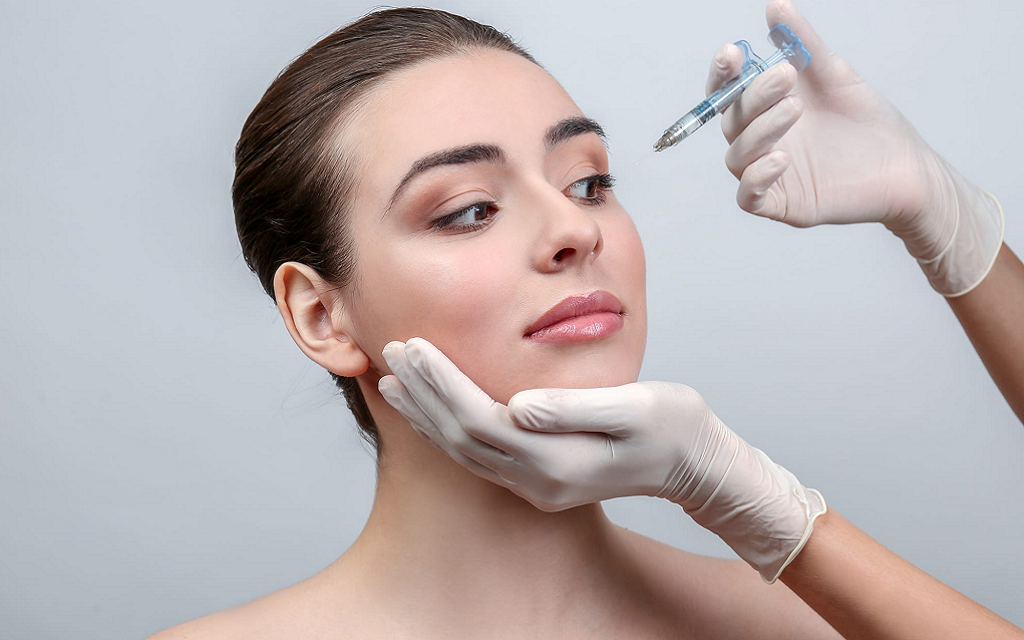
If you’re considering cheek enhancement, one of the first questions you’ll probably ask is: How Much Filler Do You Need for Cheeks? The answer isn’t as straightforward as a single number because every face is different. Age, facial structure, skin quality, and your cosmetic goals all play a role in determining the right amount.
Having observed and discussed countless cheek filler consultations over the years, one thing has become clear: the best results rarely come from using the most filler. They come from using the right amount in the right places.
Why Cheek Fillers Are So Popular?
Cheeks are one of the first facial areas to lose volume with age. As collagen and fat naturally decrease, the mid-face can appear flatter, causing deeper smile lines and a tired appearance.
Cheek fillers help by:
- Restoring lost facial volume
- Creating subtle contour and definition
- Supporting the under-eye area
- Softening nasolabial folds
- Improving overall facial balance
When performed correctly, people often notice you look refreshed rather than “filled.”
So, How Much Filler Do You Need?
Most people require 1–4 mL of Dermal Filler for both cheeks combined.
Here’s a general guideline:
1 mL Total:
Ideal for:
- Younger patients
- Minor contour enhancement
- Very subtle definition
This amount creates gentle improvement without dramatically changing facial shape.
2 mL Total:
This is one of the most common treatment plans.
Suitable for:
- Mild age-related volume loss
- Balanced enhancement
- Natural-looking lift
Many experienced injectors consider 2 mL the “sweet spot” for noticeable yet understated results.
3–4 mL Total:
Typically recommended when:
- Volume loss is more significant
- The cheeks have become noticeably flat
- Better structural support is needed
Rather than looking overfilled, this amount can actually restore proportions that have gradually changed over many years.
Factors That Affect How Much Filler You’ll Need:
No injector should recommend the same amount for every patient. During consultation, several factors are evaluated.
Your Age:
Someone in their late twenties usually wants contour enhancement.
Someone in their fifties may require volume replacement to compensate for natural fat loss.
The treatment goals, and therefore the filler amounts, are completely different.
Facial Anatomy
People naturally have different cheekbone structures.
If you already have prominent cheekbones, less filler may achieve excellent results.
Those with flatter mid-face anatomy often need a little more product for balance.
Desired Outcome:
Ask yourself:
- Do you want subtle enhancement?
- Better facial definition?
- Noticeable lifting?
- Restoration of youthful volume?
The answer directly influences treatment planning.
Skin Quality:
Skin elasticity also matters.
Healthy, firm skin often requires less filler than skin affected by significant collagen loss.
Can You Always Add More Later?
Absolutely, and that’s often the safest approach.
Experienced aesthetic practitioners frequently recommend starting conservatively. Once swelling settles after two to four weeks, you can reassess whether additional filler would improve the result.
In my experience, patients who build results gradually are usually happier than those who pursue dramatic changes in one session.
Does More Filler Mean Better Results?
Not at all.
One of the biggest misconceptions online is that larger amounts automatically create better outcomes.
Overfilled cheeks can:
- Distort facial proportions
- Create an unnatural appearance
- Reduce facial movement
- Make the face appear heavier rather than younger
A skilled injector focuses on facial harmony, not maximum volume.
What About Cheek Fillers in Islamabad?
The popularity of Cheek Fillers in Islamabad has grown significantly as more patients seek minimally invasive facial rejuvenation instead of surgery.
Choosing an experienced practitioner is far more important than finding the lowest price. During consultations I’ve observed at Estheticare Group, the emphasis is typically placed on facial assessment, realistic expectations, and individualized treatment planning rather than recommending a fixed number of syringes for everyone. That patient-first approach generally leads to more balanced and natural outcomes.
How Long Do Cheek Fillers Last?
Most hyaluronic acid cheek fillers last between:
- 12–18 months for many patients
- Sometimes up to 24 months depending on the product used
- Shorter in people with faster metabolisms or very active lifestyles
Longevity also depends on the injection technique and the specific filler selected.
What Happens During the Procedure?
A typical appointment usually includes:
- Facial assessment
- Discussion of treatment goals
- Photography
- Application of numbing cream if needed
- Careful filler placement
- Review of aftercare instructions
The actual injections often take only 20–30 minutes.
Minor swelling or tenderness for a few days is completely normal.
Tips for Getting Natural Results:
If your goal is refreshed rather than obvious, keep these points in mind:
- Choose an experienced injector with facial anatomy expertise.
- Don’t chase trends or celebrity looks.
- Start with a conservative amount.
- Attend follow-up appointments if recommended.
- Focus on facial balance instead of isolated cheek volume.
Natural results rarely come from a single number of syringes; they come from thoughtful planning.
Frequently Asked Questions:
Is 1 mL Enough for Cheek Fillers?
For younger patients seeking subtle contouring, yes. For moderate age-related volume loss, additional filler may be recommended.
Can Cheek Fillers Lift the Face?
They can create a mild lifting effect by restoring support to the mid-face, although they aren’t a replacement for surgical facelift procedures.
Will my Cheeks look Fake?
Not when treatment is planned properly. Conservative placement and appropriate filler volume usually produce refreshed, natural-looking results.
Is Cheek Filler Painful?
Most patients describe only mild discomfort. Many fillers contain lidocaine, and numbing cream can further improve comfort.
How Do I Know How Much Filler I Need?
A personalized consultation is the only reliable way to determine the appropriate amount. Your facial structure, age, and goals should guide the decision, not a standard number.
Final Thoughts!
There’s no universal answer to How Much Filler Do You Need for Cheeks? Most people fall somewhere between 1 and 4 mL, but the ideal amount depends entirely on your facial anatomy and desired outcome. The most successful treatments aren’t about using more product; they’re about achieving balance, proportion, and subtle enhancement.
Whether you’re exploring Cheek Fillers in Islamabad for the first time or considering a touch-up, take the time to consult with an experienced aesthetic professional who prioritizes individualized treatment over one-size-fits-all recommendations. Clinics such as Estheticare Group illustrate the value of personalized assessment and conservative planning, helping patients make informed decisions and achieve results that look refreshed rather than overdone. When expertise and realistic expectations come together, the outcome is almost always more satisfying than simply aiming for the biggest transformation.
Book an Appointment
It’s easy and free!